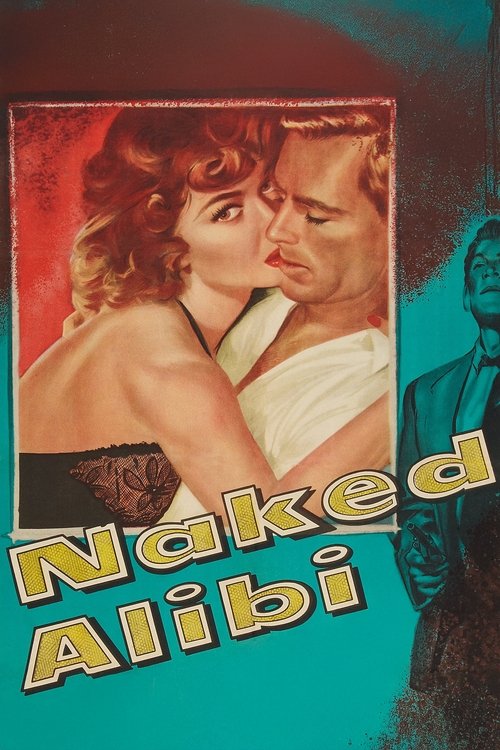
Naked Alibi
1954
No user ratings available yet
Representation score: 1.7 out of 10

Representation Score
Minimal
1956
NRDirector
Abner Biberman
Runtime
79 minutes
Average Rating
No ratings yetNew Showbiz Analysis
This film is a classic mid-century crime thriller that upholds the social hierarchies of its time. It relies on traditional narrative clichés and does not aim to disrupt established demographic norms or power dynamics. Representation is limited, with a strong emphasis on male-driven tension and a homogeneous cast. The film serves as a straightforward example of genre filmmaking that maintains the status quo rather than challenging it. Overall, the film offers a narrow perspective on social and cultural life, consistent with the constraints of 1950s cinema.
Category Breakdown
The film does not include any LGBTQ+ characters or identities that deviate from the assumption that everyone is straight or cisgender. It adheres to a framework that assumes everyone’s gender matches what they were assigned at birth.
Male characters play a central role in driving the story, focusing on conflicts that revolve around traditional mid-century gender roles. The film does not challenge patriarchal structures.
The cast appears uniform, reflecting the typical social environment of mainstream 1950s crime dramas. There is no significant racial or ethnic diversity.
The story aligns with traditional Western values and mid-century moral frameworks, emphasizing social order without engaging in anti-institutional or secular critiques.
The film does not depict any visible or invisible disabilities. Characters operate within standard physical and neurotypical parameters.
Present on Screen
Limited or Absent
Official Synopsis
A co-owner of a race track goes on the run after witnessing something he shouldn't have at the track.
1954

1949
1957
1955

1950
1952
1951

1956
No reviews yet. Be the first to share your thoughts on this movie!
Use the rating form above to leave a star rating and optional review.