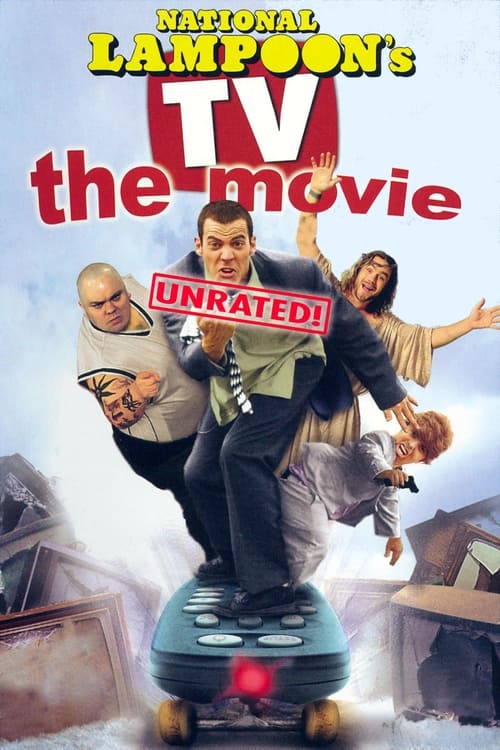
National Lampoon's TV: The Movie
2006
No user ratings available yet
Representation score: 5.5 out of 10
Representation Score
Limited
1976
RDirector
Neal Israel, Bradley R. Swirnoff
Runtime
68 minutes
Average Rating
No ratings yetNew Showbiz Analysis
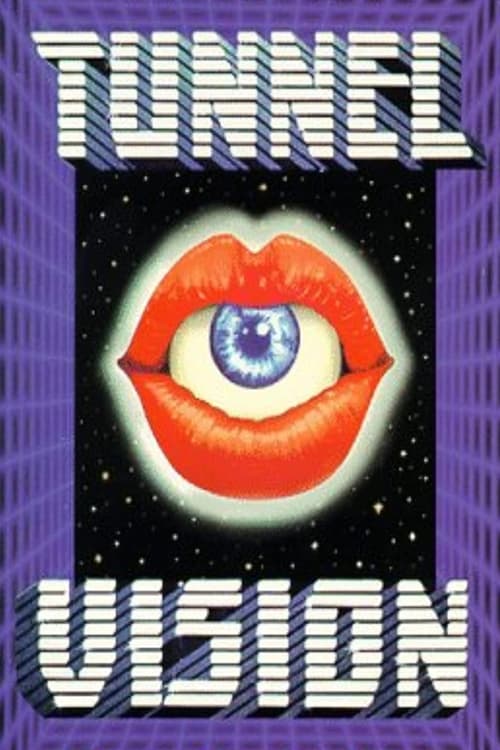
Tunnel Vision functions primarily as a media satire designed to deconstruct the mechanics of television broadcasting. Its strength lies in its irreverent critique of institutional authority and censorship rather than in the exploration of human identity. Because the film utilizes a sketch-comedy format, it lacks the sustained, complex character arcs necessary for deep characters who reflect more than one aspect of diversity. The narrative focuses on parodying programming clichés rather than providing progressive social commentary. Ultimately, the film operates within the traditional comedic frameworks of 1976. It serves as a critique of the medium itself, remaining largely tethered to the demographic and social norms of its era.
Category Breakdown
The film uses an uncensored satirical lens to address taboo subjects related to LGBTQ+ communities. However, it lacks nuanced narratives or diverse LGBTQ+ identities, potentially relying on period-specific queer clichés for comedic effect without giving characters meaningful roles.
The satire parodies 1970s broadcasting archetypes, such as domestic housewives and male news anchors. While it disrupts these roles through irreverence, it does not show a systemic challenge to gender hierarchies.
The film mirrors the demographic homogeneity of 1970s television networks. There is no evidence of actively leading characters of color or casting that deviates from the era's standard practices.
The narrative challenges the sanctity of traditional media institutions by satirizing the network and its committees. This anti-institutional stance provides a moderate level of cultural critique through slapstick deconstruction.
There is no discernible evidence regarding the portrayal of physical or neurodivergent identities within the film's sketch-comedy format.
Present on Screen
Limited or Absent
Official Synopsis
A committee investigating TV's first uncensored network examines a typical day's programming, which includes shows, commercials, news programs, you name it. What they discover will surely crack you up! This outrageous and irreverent spoof of television launched the careers of some of the greatest comedians of all time.
2006

1963
1976
1977

1977
1978

1989

1968
No reviews yet. Be the first to share your thoughts on this movie!
Use the rating form above to leave a star rating and optional review.