Whispers
1990
No user ratings available yet
Representation score: 3.3 out of 10
Representation Score
Limited
1989
Director
Dennis Devine
Runtime
99 minutes
Average Rating
No ratings yetNew Showbiz Analysis
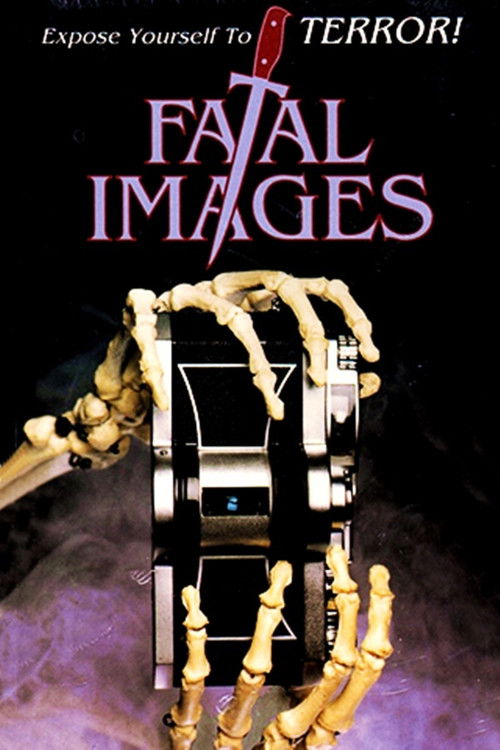
Fatal Images functions as a traditional late-80s independent slasher, prioritizing genre mechanics and supernatural suspense over social critique. The narrative structure relies heavily on established clichés, such as the voyeuristic predator and the vulnerable protagonist. The film reinforces existing social and narrative hierarchies rather than disrupting them. It lacks the intentionality needed to engage with multi-layered themes or diverse identities, staying firmly within the conventional norms of its era. Ultimately, the work serves as a standard genre piece where character's ability to drive the story is often defined by endurance and victimization within a high-stakes survival scenario.
Category Breakdown
The film does not include any clear representations of LGBTQ+ identities. The storyline follows a typical survival arc without any queer-coded characters or subtext.
The story uses the 'final girl' cliché, where the female protagonist drives the survival plot but remains a subject of voyeuristic violence, adhering to conventional horror clichés.
The production aligns with the era's tendency toward homogeneous, suburban-centric casting. There is no evidence of diverse casting or a non-Anglo-Saxon majority.
The narrative operates within a standard moral framework centered on a supernatural curse. It does not engage with anti-Western, anti-capitalist, or secularist themes.
There is no evidence of neurodivergence or physical disability being portrayed with ability to act. Psychological instability serves as a plot device for the antagonist rather than a nuanced exploration.
Present on Screen
Limited or Absent
Official Synopsis
A crazy serial killer kills himself by sealing his soul in to his camera. Years later a woman buys the camera, and everyone she photographs begins being tracked down and killed by the killers spirit.
1990

1977

2018
1988
1981
2000
2019
1986
No reviews yet. Be the first to share your thoughts on this movie!
Use the rating form above to leave a star rating and optional review.