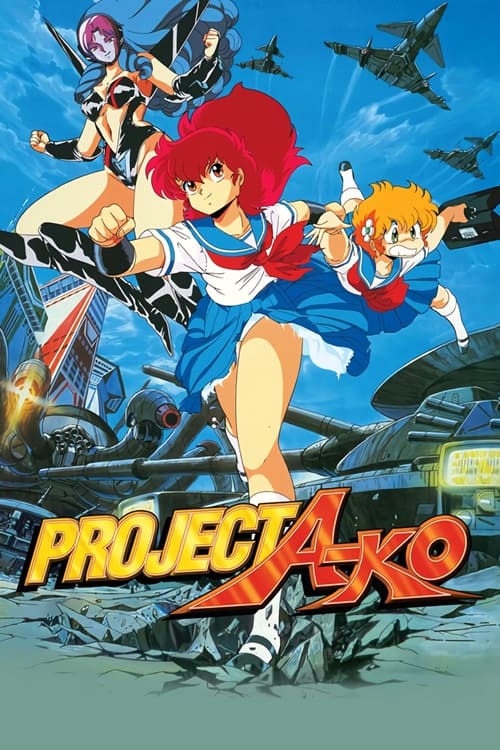
Project A-Ko
1986
No user ratings available yet
Representation score: 5.6 out of 10
Representation Score
Fair
1995
Director
Katsuhiko Nishijima
Runtime
54 minutes
Average Rating
No ratings yetNew Showbiz Analysis
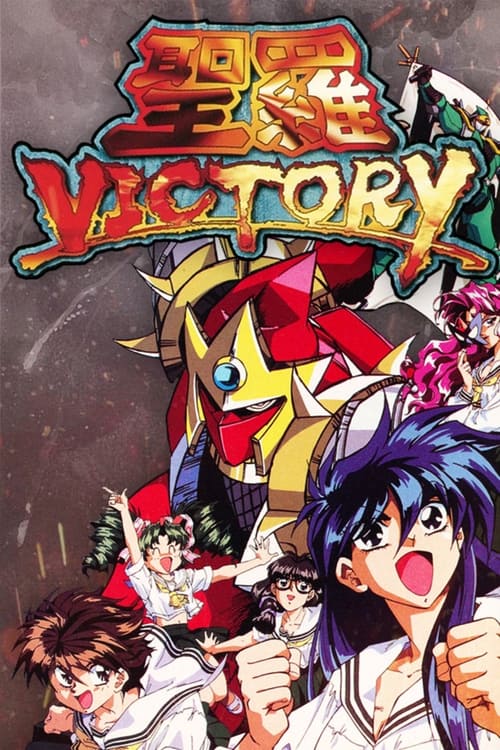
Sailor Victory stands out as a powerful example of female empowerment within the mecha and sentai genres. Its primary strength lies in giving significant roles to its female protagonists, effectively subverting the 'damsel in distress' cliché through their command of mechanized units. However, the work remains confined to the conventional demographic and thematic boundaries of 1990s Japanese animation. It lacks broader exploration of diverse racial, cultural, or LGBTQ+ narratives. Ultimately, while the film excels at disrupting masculine leadership roles, it does not delve into diverse racial, cultural, or neurodivergent narratives.
Category Breakdown
The series features a superhero heroine team, a common cliché from 1990s animation. While the genre often includes subtle female bonding, there is no clear depiction of non-straight identities or narratives challenging the assumption that everyone is straight.
The narrative focuses entirely on female empowerment, showcasing five high school students who command giant robots. By putting women in roles traditionally reserved for men, the film challenges traditional gender hierarchies.
Set in the fictional Mikado City, the cast reflects a homogeneous social structure. The story emphasizes the team dynamic of the sentai unit rather than exploring characters from different ethnic backgrounds.
The plot involves a local crime-fighting unit battling an external threat. While the story critiques the incompetence of institutions through its antagonist, it adheres to a typical hero-versus-villain storyline.
There is no indication of characters dealing with physical, neurodivergent, or sensory disabilities. The available information does not show any representation of these conditions.
Present on Screen
Limited or Absent
Official Synopsis
In the future, five female high school students form Sailor Victory to command three giant ninja robots: Gion, Momoyama and Sagano, so that they can fight against evil in the virtual-future of Mikado City. In these two episodes, a disgraced and disgruntled city employee aims to humiliate the Sailor Victory crew by joining up with the evil Margarita. Little does he know that she is bent on destroying the city...
1986
1992

1993
1993

2001

1994
1989

2004
No reviews yet. Be the first to share your thoughts on this movie!
Use the rating form above to leave a star rating and optional review.