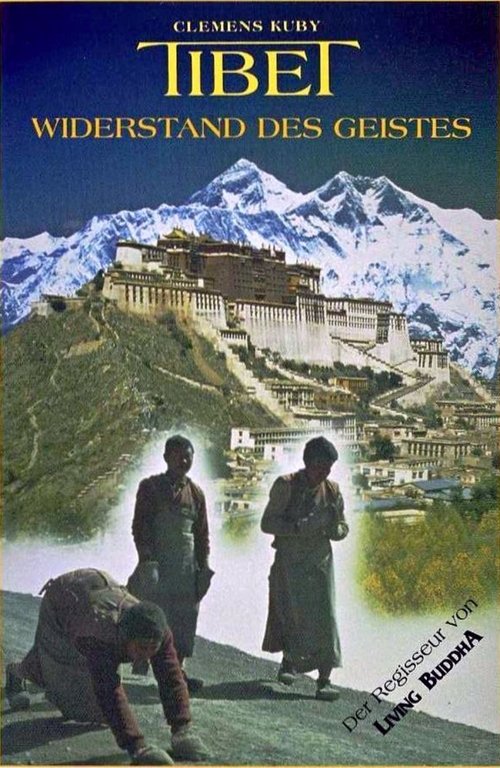
Tibet: The Survival of the Spirit
1989
No user ratings available yet
Representation score: 5.7 out of 10
Representation Score
Limited
1968
Director
Oraz Abishev
Runtime
10 minutes
Average Rating
No ratings yetNew Showbiz Analysis
Oraz Abishev’s documentary primarily serves as an ethnographic record of the Usturt Mountains and local pilgrimage sites. It successfully provides visibility to Central Asian spiritual geography, offering a counter-perspective to Western-centric cinematic traditions. However, the film operates within a traditional framework. Its focus on religious devotion and established communal worship suggests a narrative that reinforces existing social hierarchies rather than challenging them. Ultimately, the work is a cultural document that prioritizes regional identity and sacred traditions over modern progressive representation or character-driven social commentary.
Category Breakdown
The film does not include any LGBTQ+ characters or stories. In the context of 1968 Soviet ethnographic filmmaking, these themes are not present.
The documentary likely shows traditional communal worship. The music reflects traditional social structures and patriarchal religious leadership typical of the time.
The film highlights the Central Asian landscape significantly. By focusing on local worship, it offers a platform for non-Anglo-Saxon cultural expression and regional identity.
The film emphasizes a holy shrine, highlighting religious tradition and spiritual practice. This aligns with traditional institutional values rather than progressive or secular frameworks.
There is no information about the depiction of individuals with physical or neurodivergent disabilities.
Present on Screen
Limited or Absent
Official Synopsis
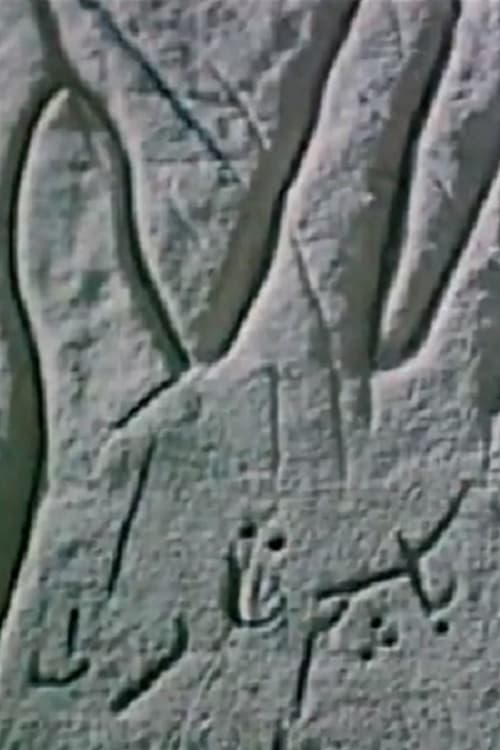
A documentary on the miracle which took place in the Usturt Mountains which is now a holy shrine where people go to worship.
1989
1998

2017

2001
1989

2013
1986

2002
No reviews yet. Be the first to share your thoughts on this movie!
Use the rating form above to leave a star rating and optional review.