Betrayal
1993
No user ratings available yet
Representation score: 3.9 out of 10
Representation Score
Limited
1990
Director
Yusuf Kurçenli
Runtime
85 minutes
Average Rating
No ratings yetNew Showbiz Analysis
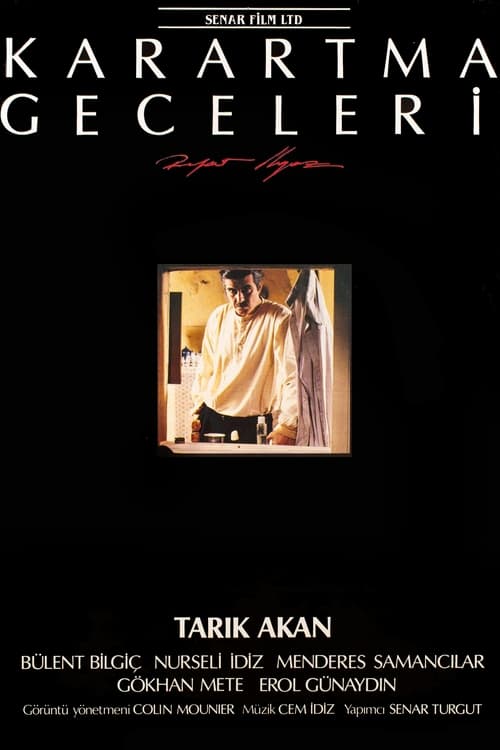
Blackout Night serves as a sophisticated critique of institutional dominance. It disrupts typical historical drama clichés by focusing on the tension between an individual and the state during a period of political dissent. The film excels in its thematic examination of state authority and the portrayal of human endurance. It goes beyond simple biography to explore the systemic oppression faced by those suspected of communist affiliations. However, the film lacks representation in several key areas. It does not include any LGBTQ+ characters or identities, nor does it feature characters with disabilities.
Category Breakdown
The film does not include any LGBTQ+ characters or non-cisgender identities. The story focuses solely on the protagonist's marriage and his political persecution.
The story delves into the personal impact of political turmoil through the protagonist's wife. Her character suggests a nuanced role rather than a purely submissive one.
The film presents a culturally specific Turkish narrative that avoids Western-centric clichés. Although the cast is ethnically uniform, it offers a significant non-Anglo-Saxon historical viewpoint.
The narrative criticizes state authority and systemic injustice through the lens of political dissent. It highlights individual resilience against oppressive government surveillance and institutional corruption.
There is no documentation of characters with visible or invisible disabilities. No such characters are shown with specific roles in the narrative.
Present on Screen
Limited or Absent
Official Synopsis
In this biographical drama, the Turkish writer Rifat Ilgaz (Tarik Akan) is forced to go into internal exile after World War Two, because the government suspects him of being a communist. Most of the movie follows him while he is on the lam, and during his reunion with his wife, who grows testy from the restrictions that hiding him impose on her. Eventually he turns himself in, and while in prison, suffers some torture. All the same, he endures with the flame of his spirit undiminished.
1993

1985

2007
1982
2003

2005
1988

1977
No reviews yet. Be the first to share your thoughts on this movie!
Use the rating form above to leave a star rating and optional review.