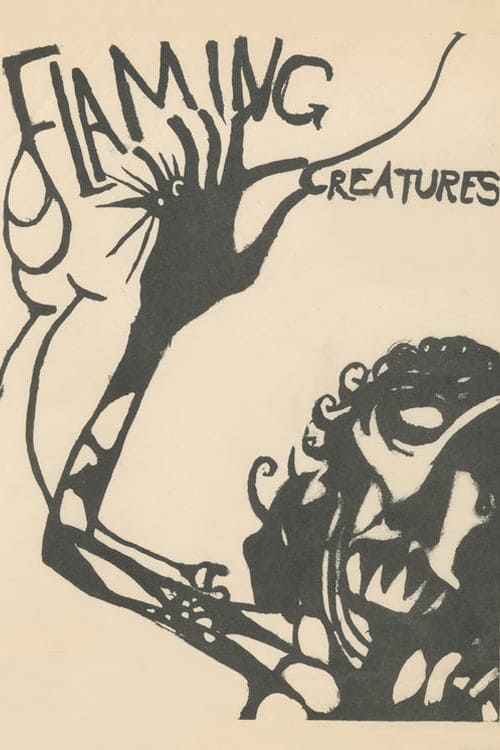
Flaming Creatures
1963
No user ratings available yet
Representation score: 6.9 out of 10
Representation Score
Good
1965
Director
Jack Smith
Runtime
105 minutes
Average Rating
No ratings yetNew Showbiz Analysis
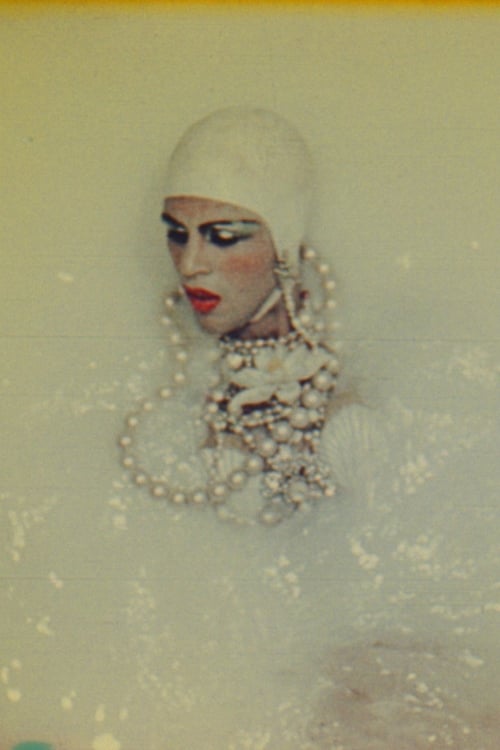
Jack Smith’s *Normal Love* is a radical departure from the cinematic norms of 1965. It serves as a kaleidoscopic exploration of camp and drag, prioritizing aesthetic excess over traditional narrative structures. By deconstructing the concept of 'normal,' the film celebrates non-normative identities. The work effectively centers queer identity and gender fluidity, challenging the straight-centered standards and patriarchal structures of the era. However, its narrow focus on underground queer subculture limits its exploration of racial and ethnic diversity. While it critiques mid-century religious and social conformity, it does not offer a broad multi-ethnic perspective.
Category Breakdown
This film focuses on non-normative gender expressions through drag and celebrates performativity rather than tragedy or struggle. It uses camp to highlight the joy of performance rather than focusing on hardship.
The film challenges traditional gender roles by presenting masculinity and femininity as flexible constructs. Through stylized costuming, it replaces patriarchal structures with a world of artifice and beauty.
The film primarily focuses on gender and sexual identity, lacking the broad, multi-ethnic casting found in modern multi-layered cinema. It does not provide a wide range of racial and ethnic representation.
The film critiques mid-century social mores by embracing non-traditional behaviors and rejecting the singular Christian morality prevalent in 1960s mainstream media.
The film's focus on performance art and camp aesthetics does not address physical or neurodivergent disabilities.
Present on Screen
Limited or Absent
Official Synopsis
A follow-up to now legendary film Flaming Creatures. This vivid, full-color homage to B-movies is a dizzying display of camp that clearly affirms Smith’s role as the driving force behind underground cinema and performance art of the post-war era. The director was known to constantly re-edit the film, often during screenings as it was still unspooling from the projector.
1963
1963

2007
1964
1980
1964

1967

1963
No reviews yet. Be the first to share your thoughts on this movie!
Use the rating form above to leave a star rating and optional review.