
Michael the Brave
1971
No user ratings available yet
Representation score: 3.2 out of 10
Representation Score
Limited
1967
PG-13Director
Sergiu Nicolaescu
Runtime
110 minutes
Average Rating
No ratings yetNew Showbiz Analysis
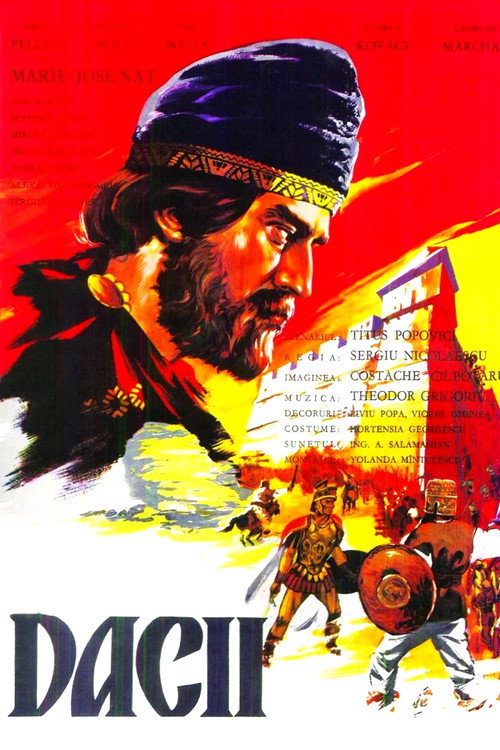
The Dacians functions as a traditional historical epic that prioritizes nationalistic and patriarchal narratives. It centers on the clash of civilizations and the struggle for ancient sovereignty. While the film offers a non-Roman perspective that challenges singular Western imperialist narratives, it remains confined by the social hierarchies of its time. The narrative structure emphasizes tribal honor and bloodlines over modern identity-based storytelling. Ultimately, the production lacks characters who reflect more than one aspect of diversity and modern social critiques, adhering instead to the rigid gender and ethnic structures of the era it depicts.
Category Breakdown
The film does not depict any LGBTQ+ identities or same-sex relationships. The storyline focuses solely on patriarchal succession and tribal lineages.
Male leaders and the King hold most of the power in the story. Female characters like Meda exist but are defined by their relationships to men rather than by their own political influence.
The narrative highlights the ethnic differences between Dacian tribes and the Roman Empire. It sticks to historical ethnic identities without blending them.
The cult of Zamolxis serves as a central spiritual belief system. The film portrays the Roman Empire as an expansionist force against indigenous cultures.
There is no representation of physical, sensory, or neurodivergent disabilities among the main characters or their storylines.
Present on Screen
Limited or Absent
Official Synopsis
The great King of Dacia, Decebal (Decebalus), is disposed to make the ultimate sacrifice in order to keep the integrity of his people. His own son, Cotyso, is given to the god Zamolxis to the dismay of the King and his daughter Meda. Septimius Severus, a young Roman devoted to his adopted country, must make the choice between his blood origins and the culture he was introduced to.
1971
1959
1937
1964
2014

1951
1961

1967
No reviews yet. Be the first to share your thoughts on this movie!
Use the rating form above to leave a star rating and optional review.