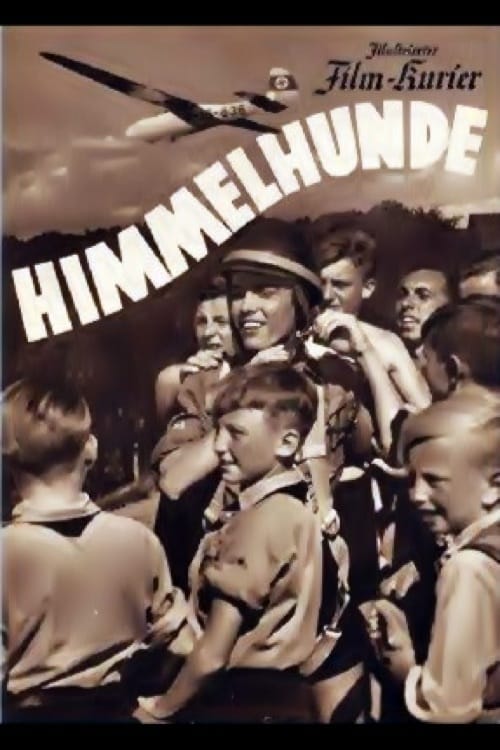
Himmelhunde
1942
No user ratings available yet
Representation score: 0.8 out of 10
Representation Score
Minimal
1937
Director
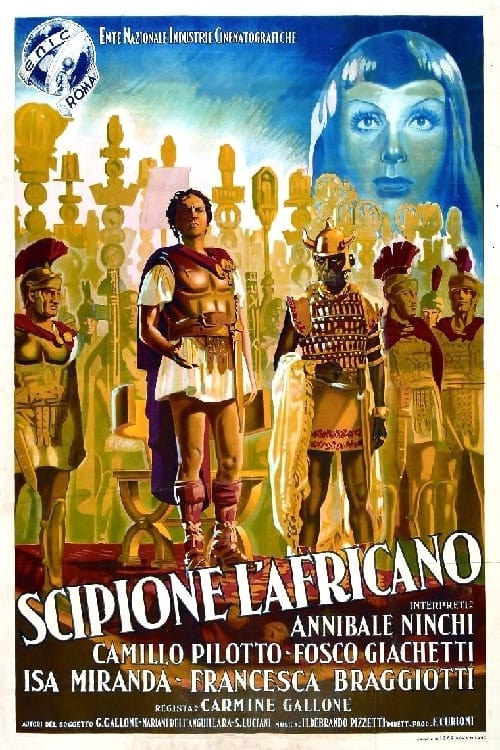
Carmine Gallone
Runtime
83 minutes
Average Rating
No ratings yetNew Showbiz Analysis
Scipione l'africano is a product of 1937 Italy, designed to reinforce traditional hierarchies of gender, state authority, and national identity. By focusing on a singular narrative of historical strength and institutional stability, the film avoids diverse perspectives and instead reinforces nationalistic narratives and traditional power structures through a narrow lens of Western history.
Category Breakdown
The film strictly adheres to the assumption that everyone is straight and cisgender, with no representation of LGBTQ+ identities or same-sex relationships.
The narrative focuses almost entirely on male military leaders and excludes women from positions of power, relegating them to supporting roles.
The film portrays a homogeneous vision of classical antiquity using mid-20th-century European stereotypes, emphasizing a narrow view of Western history.
The story upholds traditional Western institutions and military discipline, celebrating state authority and conquest without challenging these power structures.
Characters are depicted as idealized figures of physical and mental strength, with no representation of individuals with visible or invisible disabilities.
Present on Screen
Limited or Absent
Official Synopsis
A story of the Second Punic Wars, beginning with Scipio's futile pleas to the Roman Senate to build an army to battle Hannibal, that climaxes with the battle of Zama.
1942

1944

1960
1959

1990

1964
1970
1981
No reviews yet. Be the first to share your thoughts on this movie!
Use the rating form above to leave a star rating and optional review.