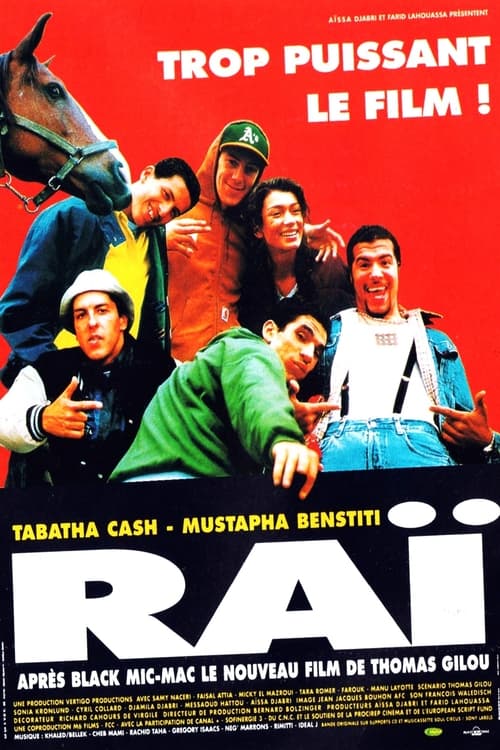
Rai
1995
No user ratings available yet
Diversity score: 5.9 out of 10
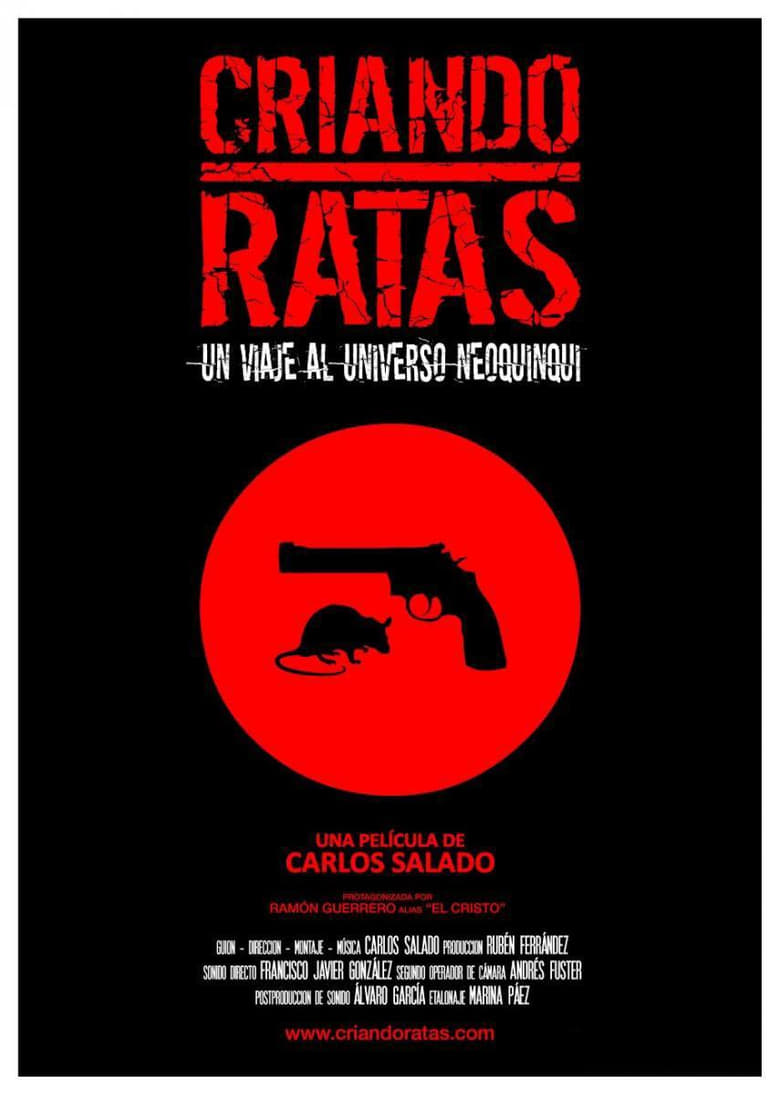
2016
Director
Carlos Salado
Runtime
78 minutes
Average Rating
No ratings yetSynopsis
Latest example of Spanish "neokinki" cinema, which was popular in the late seventies/early eighties, right after the end of Franco's dictatorship. Destructured families of low social classes are the perfect environment for delinquency, drugs, violence and broken lives.
Overall Score
Good
Category Breakdown
LGBTQ+ Representation
The film lacks visible LGBTQ+ characters or narratives centered on non-cisnormative identities. The focus remains strictly on hyper-masculine pressures within the criminal underworld.
Gender Representation
The narrative subverts traditional hierarchies by depicting the failure of the patriarchal provider role. However, the story remains heavily male-centric, with female agency appearing secondary to male-driven violence.
Racial & Ethnic Diversity
The production demonstrates high intentionality regarding ethnic authenticity. By utilizing a predominantly Mexican cast and setting, the film avoids whitewashing and prioritizes authentic regional representation.
Religious & Cultural Diversity
The film critiques traditional socioeconomic structures, framing delinquency as a byproduct of systemic oppression. It presents the breakdown of the family as a survival mechanism within a failed system.
Disability Representation
There is no significant evidence regarding the portrayal of physical or neurodivergent disabilities. No specific instances of disability-based mockery were identified.
Strengths
Areas for Improvement
AI Analysis
Carlos Salado’s *Criando ratas* is a gritty exercise in social realism that deconstructs the myth of the stable nuclear family. It uses a 'neokinki' framework to examine how systemic failures in Mexico City drive delinquency and desperation. The film excels in its commitment to ethnic authenticity and its sophisticated critique of institutional stability. It avoids Western-centric casting, instead focusing on the lived experiences of a marginalized, non-Anglo-Saxon majority. However, the film is limited by a narrow demographic focus. The narrative is heavily centered on male-driven cycles of violence, resulting in a lack of LGBTQ+ visibility and secondary roles for female characters.
1995
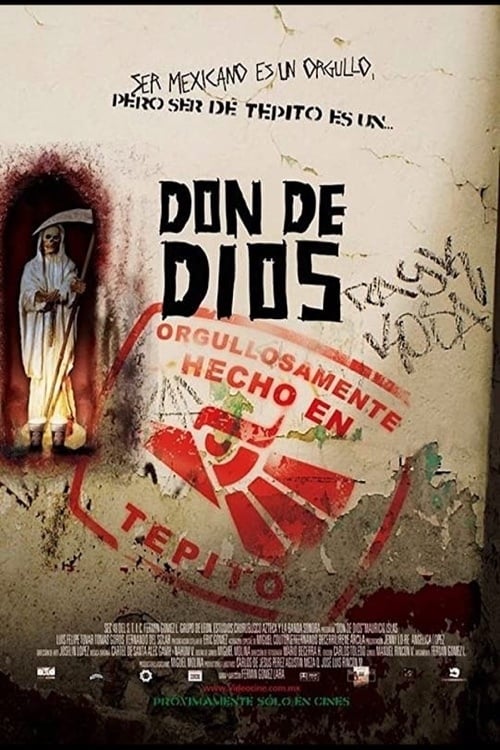
2005
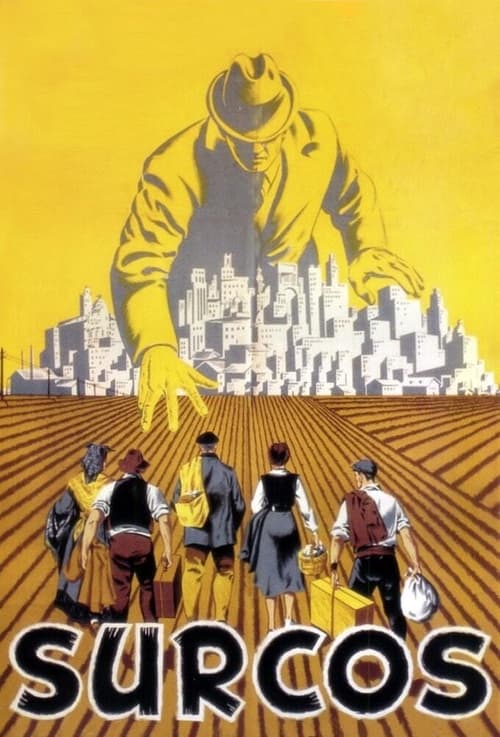
1951

2016
1987
1994
1970
2006

1963

1986
2017

2016
No reviews yet. Be the first to share your thoughts on this movie!
Use the rating form above to leave a star rating and optional review.