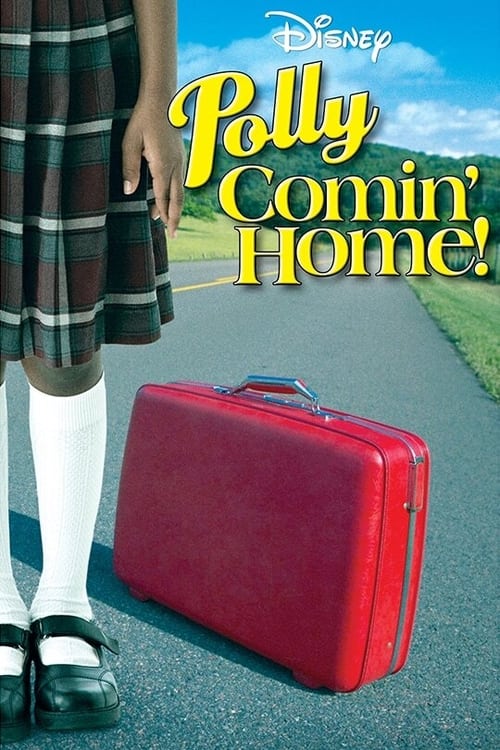
Polly: Comin' Home!
1990
No user ratings available yet
Representation score: 6.4 out of 10

Representation Score
Fair
1978
Director
William A. Graham
Runtime
98 minutes
Average Rating
No ratings yetNew Showbiz Analysis
The film reimagines the Cinderella archetype by removing its Eurocentric roots and transplanting it to Harlem. This move disrupts conventional genre expectations through race-bent casting. However, the film still adheres to traditional storytelling structures, relying on domestic conflicts and a standard romantic pursuit. The work's strength lies in its cultural geography, using the Sugar Hill Ball and the specific social hierarchies of WWII-era Harlem to create a localized, culturally resonant version of a universal myth.
Category Breakdown
The film focuses on a traditional romantic storyline centered around the protagonist and the wealthiest man in Harlem. There is no explicit depiction of LGBTQ+ identities or relationships that challenge traditional norms.
The film's setting allows for some negotiation of women's roles, but the core conflict remains within traditional domestic hierarchies. Gendered clichés are used through the classic stepmother and stepsister dynamic.
The film demonstrates a strong commitment to racial representation by using an all-Black cast. It successfully relocates a Eurocentric mythos to Harlem during World War II.
The story emphasizes a specific Black American cultural context over European settings. Traditional supernatural elements are replaced with localized, secular themes through a neighborhood character.
There are no visible or invisible disabilities portrayed within the narrative. No representation is present in this category.
Present on Screen
Limited or Absent
Official Synopsis
A revisionist twist on Cinderella with an all-black cast and set in Harlem during WWII. Cindy is a country bumpkin who moves from South Carolina to live with her father and his new family. When her stepmother and two stepsisters refuse to take her to the Sugar Hill Ball, her draft-dodging, chauffeur neighbor whips up a little "magic" and at the ball she catches the eye of the richest man in Harlem.
1990
1970
1992
1959
2011
1965

1984
1981
No reviews yet. Be the first to share your thoughts on this movie!
Use the rating form above to leave a star rating and optional review.