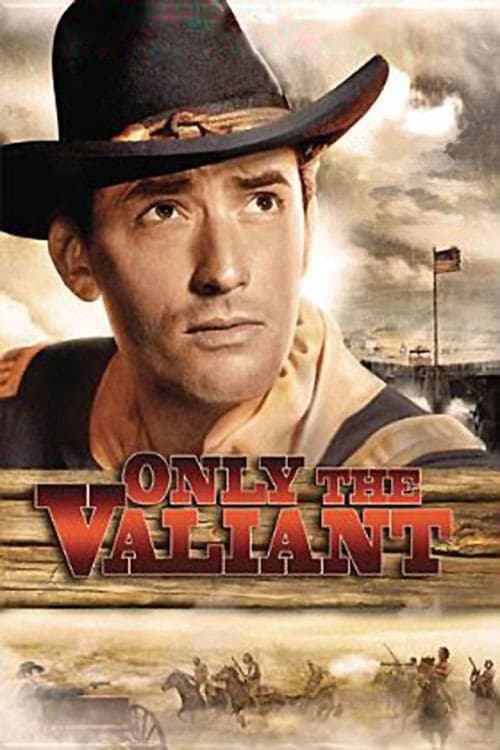
Only the Valiant
1951
No user ratings available yet
Diversity score: 1.6 out of 10
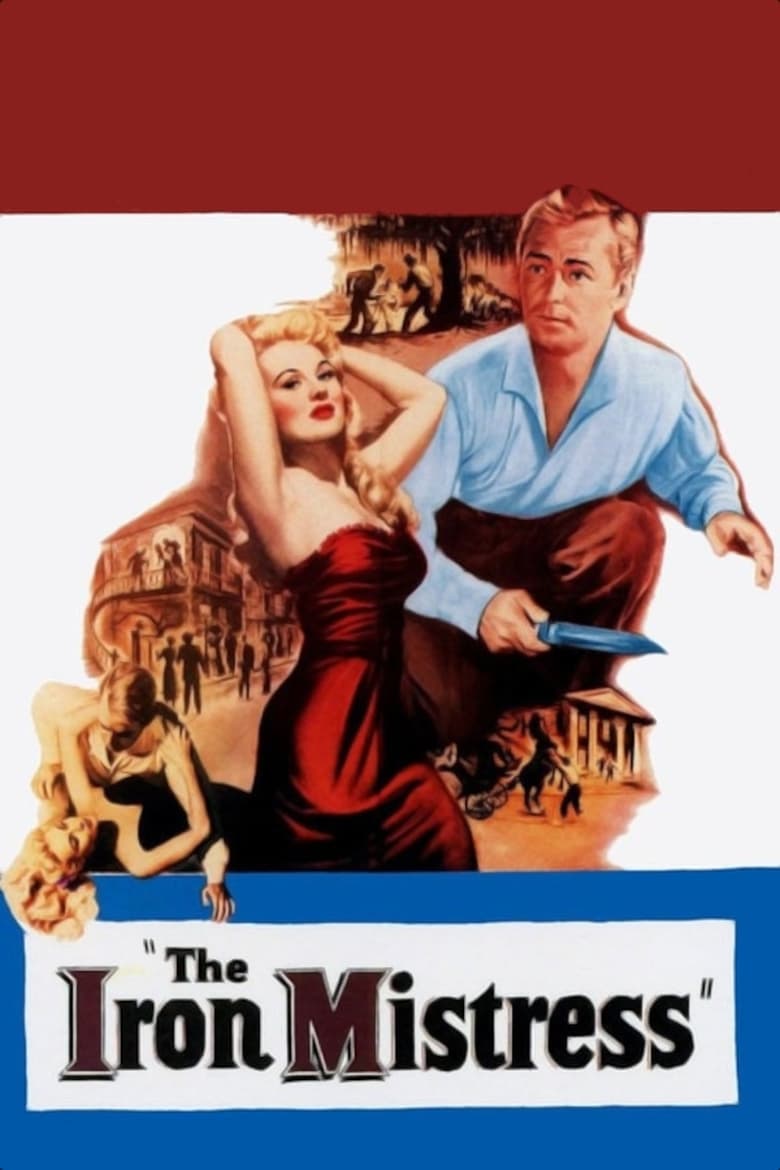
1952
NRDirector
Gordon Douglas
Runtime
110 minutes
Average Rating
No ratings yetSynopsis
In this biopic, Jim Bowie goes to New Orleans, where he falls for Judalon and befriends her brother, Narcisse. Soon, Jim is forced to avenge Narcisse's murder, but Judalon takes up with another man. Jim eventually has another romantic interlude with Judalon and is forced to kill one of her suitors in self-defense. Jim leaves town, and falls for the daughter of a Texas politician, but his entanglement with Judalon continues to bedevil him.
Overall Score
Minimal
Category Breakdown
LGBTQ+ Representation
The film contains no discernible presence of LGBTQ+ characters or non-heteronormative identities. Romantic arcs are centered entirely on traditional heterosexual pairings.
Gender Representation
Judalon serves as a prominent female lead, yet her agency is primarily channeled through romantic connections to men. She acts as a catalyst for Jim Bowie's actions rather than an independent driver.
Racial & Ethnic Diversity
The production features a predominantly homogeneous white cast, reflecting 1952 casting norms. There is a lack of significant minority representation or intersectional depth within the narrative.
Religious & Cultural Diversity
The story operates within a traditional Western framework emphasizing individual honor. It portrays the Civil War era as a backdrop for personal moral dilemmas rather than systemic critique.
Disability Representation
There are no visible or invisible disabilities portrayed. Characters exist within the standard physical and mental health bounds typical of mid-century genre archetypes.
Strengths
Areas for Improvement
AI Analysis
The Iron Mistress is a conventional biographical drama that prioritizes individualistic heroism and romantic melodrama over social critique. It adheres strictly to the mid-century Hollywood tradition, reinforcing the social hierarchies of the 1950s. The film lacks intentionality regarding intersectional representation, focusing instead on the internal dynamics of white Southern social strata. While it features a strong female lead, her role remains tethered to male-driven plot points. Ultimately, the production functions as a period-accurate reflection of its era, offering little disruption to established gender or racial tropes.
No reviews yet. Be the first to share your thoughts on this movie!
Use the rating form above to leave a star rating and optional review.