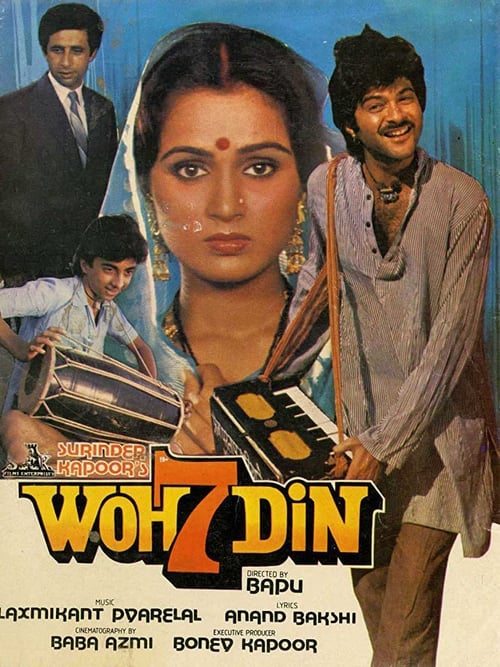
Woh 7 Din
1983
No user ratings available yet
Representation score: 2.0 out of 10
Representation Score
Limited
1982
Director
Govind Moonis
Runtime
149 minutes
Average Rating
No ratings yetNew Showbiz Analysis
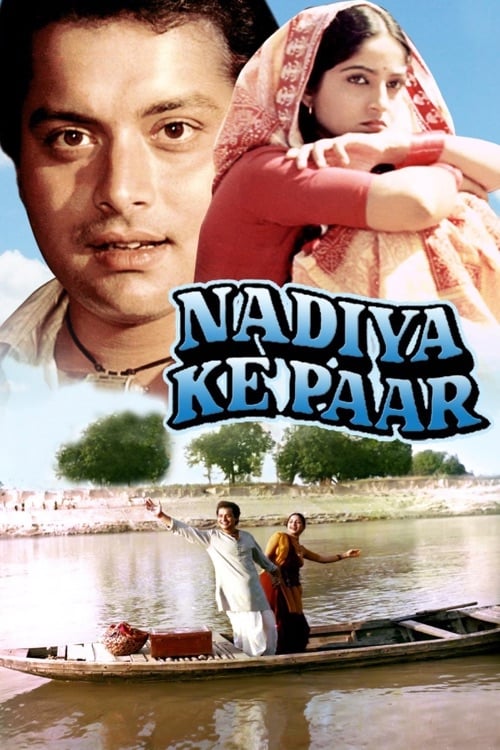
Nadiya Ke Paar is a traditional drama that prioritizes communal and familial stability over progressive social restructuring. The story follows a conventional path where characters are defined by their roles within a strict family hierarchy. The narrative explores the tension between personal desire and social expectation. Rather than challenging traditional norms, the film examines the weight of maintaining social structures through personal sacrifice. Ultimately, the film functions as a period or rural drama that adheres to established social frameworks rather than implementing perspectives that reflect multiple aspects of identity.
Category Breakdown
The film operates within a conventional framework that assumes everyone is straight or cisgender. There is no evidence of diverse gender identities or critiques of traditional romantic structures.
Female characters are defined by emotional labor and sacrifice. The plot centers on Gunja's potential acceptance of a marriage dictated by family stability rather than personal autonomy.
The setting provides a non-Western, localized narrative environment. However, the film lacks specific details regarding the subversion of regional ethnic hierarchies.
The narrative prioritizes family cohesion and social stability. It reinforces traditional values of duty and familial obligation as the primary moral compass.
There are no visible or invisible disabilities depicted as central to the character arcs or plot progression.
Present on Screen
Limited or Absent
Official Synopsis
Chandan lives with his elder brother and uncle. One day while going across the river to get some medications for his uncle, he meets with Gunja, and both eventually fall in love. Fate makes Gunja's sister, Roopa, get married to Chandan's brother. Roopa dies in a freak accident. The family decides that Chandan's brother should get married again, and they propose marriage to Gunja. Will Chandan sacrifice his love for his nephew, and brother? Will Gunja accept her brother-in-law as her husband?
1983
1989
1981
1994

1978

2004
1982
1991
No reviews yet. Be the first to share your thoughts on this movie!
Use the rating form above to leave a star rating and optional review.