
Sympathy for Mr. Vengeance
2002
No user ratings available yet
Representation score: 4.8 out of 10
Representation Score
Good
1990
Director
Masoud Kimiai
Runtime
105 minutes
Average Rating
No ratings yetNew Showbiz Analysis
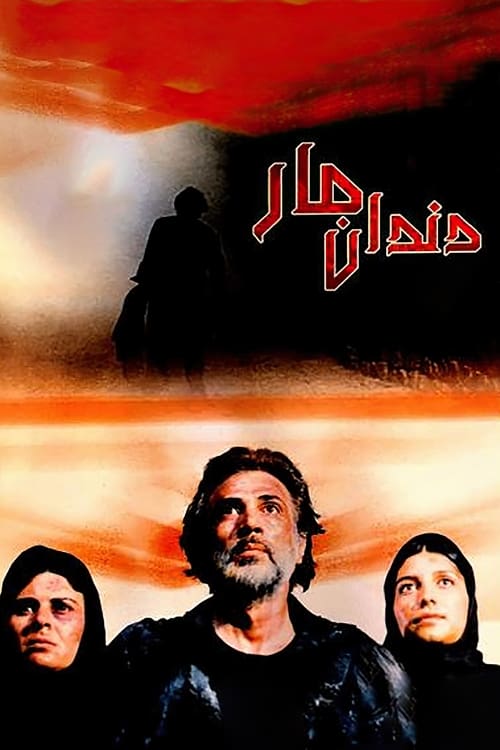
Snake's Fang is a gritty, realist exploration of social exclusion. It uses individual struggles to mirror broader systemic issues, particularly through the lens of physical disability and regional displacement. The film effectively critiques traditional patriarchal structures and the failure of the domestic sphere. By focusing on characters operating on the fringes of formal society, it challenges conventional expectations of a stable social order. However, the film lacks explicit LGBTQ+ representation and remains rooted in traditional social dynamics. While it addresses systemic decay, its scope is limited to specific socio-political and gendered conflicts.
Category Breakdown
The film does not include any characters or identities that are LGBTQ+. It focuses on traditional interpersonal conflicts and relationships that assume everyone is straight or cisgender.
The story critiques traditional patriarchal expectations through the depiction of a woman facing abuse due to infertility. This portrayal highlights the harsh realities of domestic hierarchies and misogyny.
Regional diversity is explored through Ahmad, a character from the south. The inclusion of war-stricken children adds a layer of socio-political and underrepresented identity.
The film engages with moral relativism by centering on black-market economies and survivalist ethics. It deconstructs the traditional family unit as a source of stability.
Reza’s impaired sight, caused by his labor in a print house, is central to his character. This disability is tied to his economic status and psychological journey.
Present on Screen
Limited or Absent
Official Synopsis
Reza, the veteran worker of a print house whose sight is adversely affected because of his job, loses his mother. Finding the gloom reigning over the home beyond bearing, he departs to overcome his sorrows. He ends up at a hostel where he shares his room with a southern guy called Ahmad who has a group of orphan war-stricken children under his wing. After the initial inkling gives way to the friendship, Reza discovers that Ahmad's patron plies his trade in black-market. At the same time, Reza's sister is constantly beaten and humiliated by her husband for being infertile.
2002

1958

1996
1982

1978

1989
1980
1992
No reviews yet. Be the first to share your thoughts on this movie!
Use the rating form above to leave a star rating and optional review.