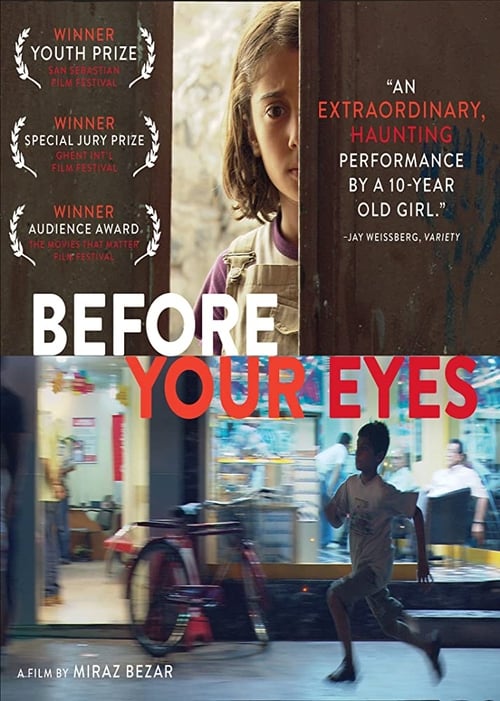
Before Your Eyes
2009
No user ratings available yet
Representation score: 5.9 out of 10
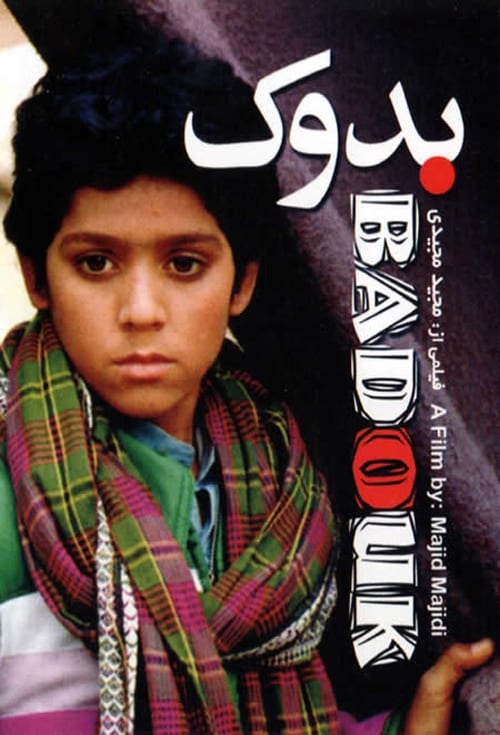
Representation Score
Fair
1992
GDirector
Majid Majidi
Runtime
89 minutes
Average Rating
No ratings yetNew Showbiz Analysis
Majid Majidi’s work centers on the disenfranchised, using a humanist lens to examine systemic struggles. This film specifically highlights the vulnerability of children within a predatory socio-economic framework in Tehran. The narrative achieves strength by providing a leading role to characters of color within their own cultural landscape. By focusing on the struggle against corrupt social systems, the film offers a meaningful critique of power. However, the film lacks visible representation for LGBTQ+ identities and does not provide evidence regarding disability. The score reflects these absences rather than active harm.
Category Breakdown
The film does not include any explicit representations of LGBTQ+ identities or queer narratives. The story focuses solely on the survival of the central siblings.
A female character shares the central peril alongside her brother. Her specific role in challenging gender hierarchies is not explicitly shown, but she is central to the narrative.
As a work of Iranian cinema, the film provides a non-Western perspective. It centers the lived experiences of Iranian citizens, disrupting a traditional Western-centric viewpoint.
The story critiques exploitative structures such as human trafficking and slavery. It prioritizes a critique of power dynamics over the celebration of institutional stability.
There is no evidence of characters with visible or invisible disabilities within the narrative.
Present on Screen
Limited or Absent
Official Synopsis
A boy and his sister are abducted from the streets of Tehran and sold into slavery.
2009
2006
2020
2004
2003

1988
2009

1991
No reviews yet. Be the first to share your thoughts on this movie!
Use the rating form above to leave a star rating and optional review.