
Dirty Love
2005
No user ratings available yet
Diversity score: 2.4 out of 10
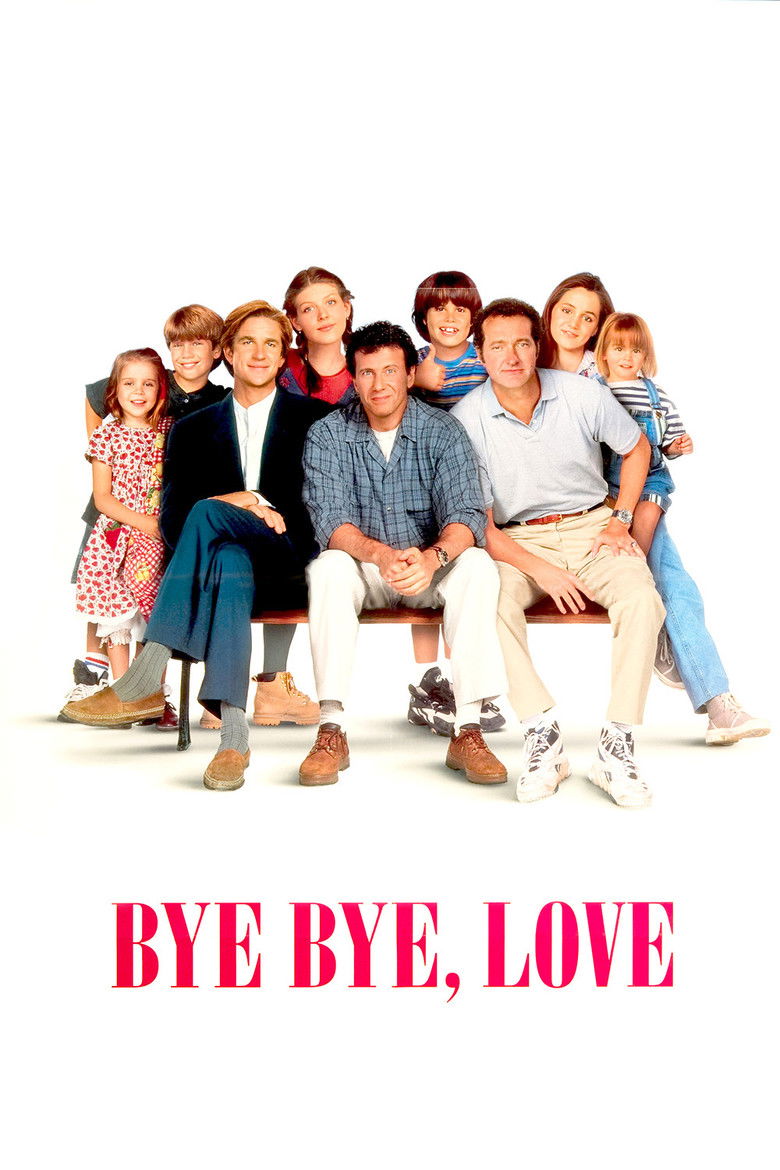
1995
PG-13Director
Sam Weisman
Runtime
106 minutes
Average Rating
No ratings yetSynopsis
With varying degrees of success, recently divorced friends Dave, Vic and Donny are trying to move on with their lives. Vic feels vilified by his ex-wife's parents, while Donny has a shaky bond with his teen daughter, Emma. Dave, meanwhile, has an enviable problem -- he has more dates than he can handle. As they confront their post-marital challenges, the men take solace in one another's plights.
Overall Score
Limited
Category Breakdown
LGBTQ+ Representation
The film operates within a strictly heteronormative framework. It lacks any presence of non-cisnormative identities or same-sex intimacy.
Gender Representation
The story explores the breakdown of the nuclear family and male emotional vulnerability. However, it remains tethered to conventional gendered conflicts and power dynamics.
Racial & Ethnic Diversity
The ensemble is a predominantly white, middle-class group. The setting reinforces a homogeneous suburban American archetype with little racial blending.
Religious & Cultural Diversity
The narrative focuses on the personal fallout of divorce rather than systemic critiques. It does not challenge Western institutions or promote specific ideological rebellions.
Disability Representation
There is no discernible engagement with visible or invisible disabilities. The characters do not demonstrate neurodivergence or sensory impairments.
Strengths
Areas for Improvement
AI Analysis
Bye Bye Love is a conventional mid-90s comedy that prioritizes personal emotional struggles over systemic or intersectional narratives. While it disrupts the 'perfect family' trope by centering on divorce, it does so through a very narrow lens. The film relies on a homogeneous demographic, offering little representation of diverse racial or sexual identities. It functions as a standard portrayal of suburban American life during its era. Ultimately, the film lacks the intentionality needed to move beyond traditional demographic norms, focusing on the interpersonal consequences of marital dissolution rather than broader social diversity.
2005

2013

1994
2008
1954

2011

2001
1997

1999

2001

2001
1997
No reviews yet. Be the first to share your thoughts on this movie!
Use the rating form above to leave a star rating and optional review.