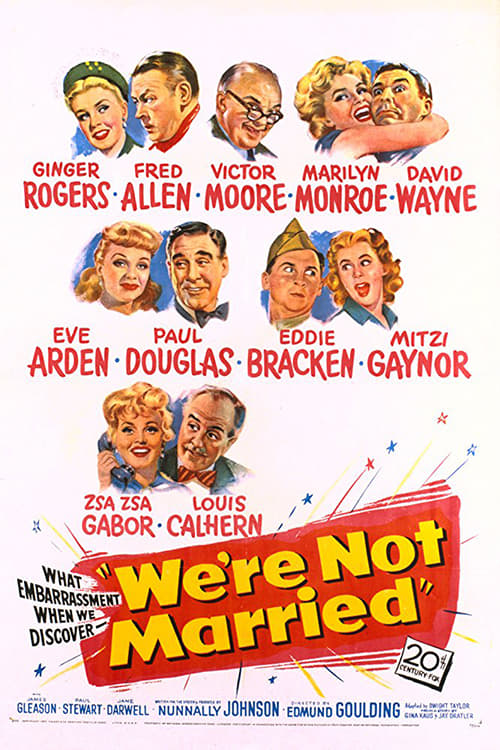
We're Not Married!
1952
No user ratings available yet
Diversity score: 2.6 out of 10
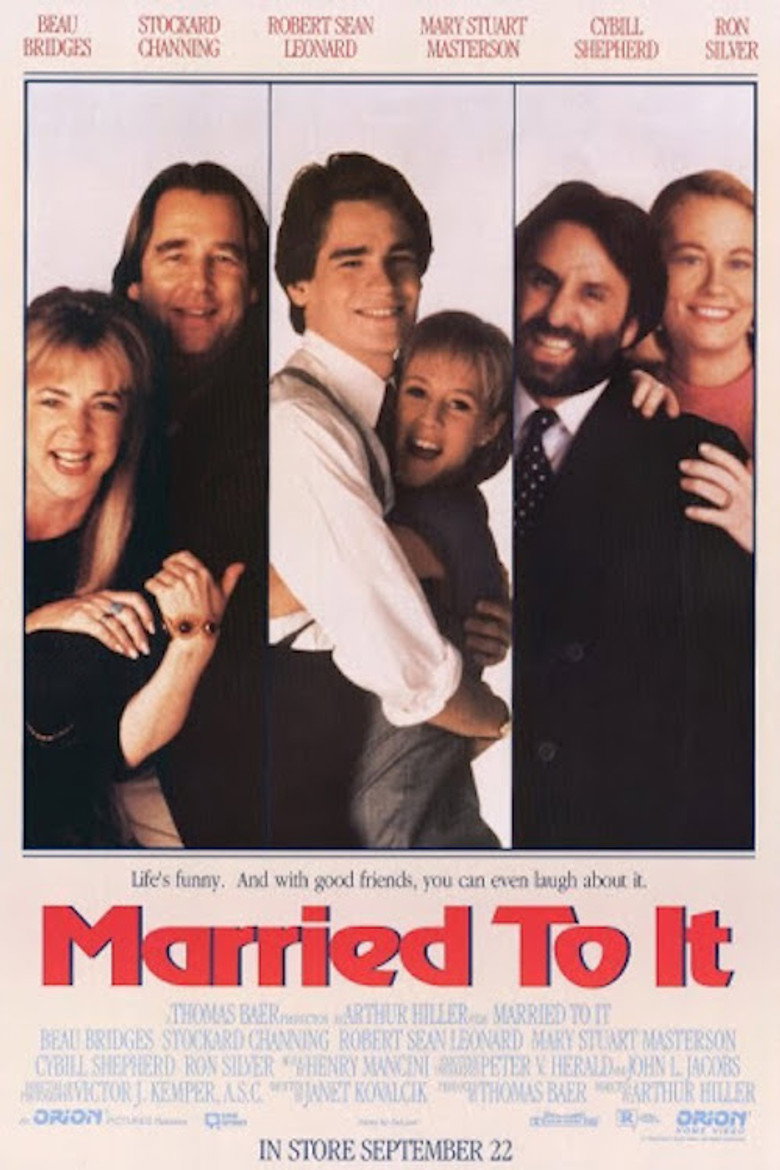
1991
RDirector
Arthur Hiller
Runtime
112 minutes
Average Rating
No ratings yetSynopsis
Tale of three different couples (Yuppies, Hippies, and Society Folk) who find some common ground and become friends after being assigned to the same school project. Their lives are turned upside down by divorce, indictment, and sex but their friendship remains strong.
Overall Score
Limited
Category Breakdown
LGBTQ+ Representation
The film lacks LGBTQ+ characters or explorations of non-heteronormative identities. Romantic tension remains strictly within a cis-heteronormative framework.
Gender Representation
The narrative subverts traditional power dynamics by positioning the female lead as the proactive pursuer. This reversal grants the female character significant psychological agency and social dominance.
Racial & Ethnic Diversity
The cast is largely homogeneous, focusing on white, high-society archetypes in New York City. There is a notable absence of characters of color or multicultural intersections.
Religious & Cultural Diversity
The film critiques the superficiality of elite social structures but reinforces traditional hierarchies. It treats social obsession through a romantic comedy lens rather than a systemic critique.
Disability Representation
No visible or invisible disabilities are portrayed within the central cast. The plot does not engage with neurodivergence or physical disability.
Strengths
Areas for Improvement
AI Analysis
Married to It operates as a traditional romantic comedy that finds its progressive edge through gendered agency rather than intersectional breadth. By flipping the standard pursuit dynamics, the film offers a refreshing take on character power. However, the film's impact is heavily constrained by its narrow demographic scope. The narrative is anchored in a homogeneous, high-society framework that lacks racial, ethnic, or LGBTQ+ diversity. Ultimately, while the film succeeds in disrupting gendered tropes, it remains a conventional portrait of a specific socioeconomic stratum, failing to engage with broader systemic or identity-based complexities.
1952

1973

1979
1980

2008
1962

1994
1995

1981
1989
1981

1982
No reviews yet. Be the first to share your thoughts on this movie!
Use the rating form above to leave a star rating and optional review.