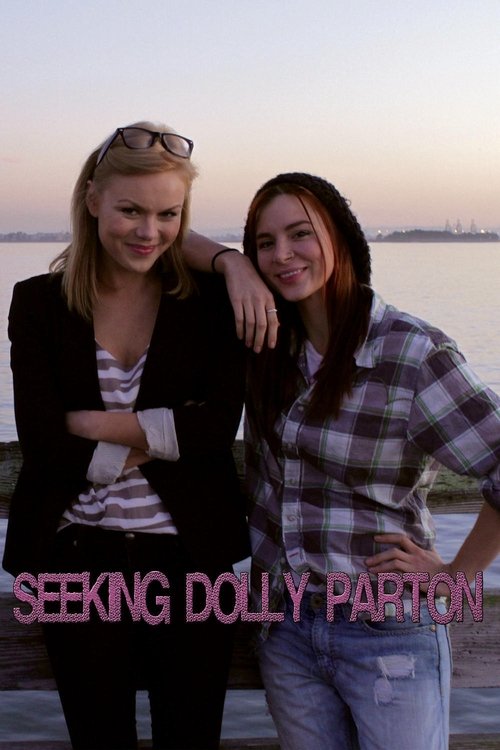
Seeking Dolly Parton
2015
No user ratings available yet
Representation score: 4.1 out of 10
Representation Score
Excellent
2005
RDirector
Don Roos
Runtime
128 minutes
Average Rating
No ratings yetNew Showbiz Analysis
Don Roos offers a nuanced exploration of identity through a fragmented, postmodern structure. The film excels by centering non-straight and neurodivergent lives as integral to the human experience rather than as spectacles. While the film successfully portrays gender fluidity and disability, it lacks a broad spectrum of racial and ethnic diversity. The focus remains heavily on psychological and identity-based struggles within a specific urban context. Ultimately, the film succeeds as a subversion of social norms. It replaces traditional moral binaries with a complex, individualized look at how modern characters navigate connection and trauma.
Category Breakdown
The film centers on queer identities, exploring domestic life between Charley and Gil, and introducing androgynous gender expressions through Otis. These elements challenge traditional romantic roles.
The film challenges the traditional stoic male archetype by emphasizing emotional vulnerability. It showcases a range of masculine expressions, from rigid traditionalism to fluid, non-conforming identities.
The cast reflects a contemporary urban setting, but the narrative focuses primarily on queer and neurodivergent experiences. It does not explore a wide range of racial or ethnic backgrounds.
The film deconstructs traditional Western moral frameworks, focusing instead on individualized meaning-making and secular perspectives. It downplays institutional or religious guidance.
The film handles visible and invisible disabilities with sophistication. Characters navigate neurodivergent realities with ability to act, avoiding the use of disability solely as a plot device.
Present on Screen
Limited or Absent
Official Synopsis
Filmmaker Nicky offers to track down the son that Mamie gave up for adoption nearly two decades before. Meanwhile, Mamie's stepbrother (and the father of her child), Charley, along with his boyfriend, Gil, try to find out what became of the sperm Gil donated to a lesbian couple. Finally, singer Jude becomes entangled in a love triangle with androgynous drummer Otis and his conservative father.
2015
2000
2017
1997
2005
1998
1994
2022
No reviews yet. Be the first to share your thoughts on this movie!
Use the rating form above to leave a star rating and optional review.