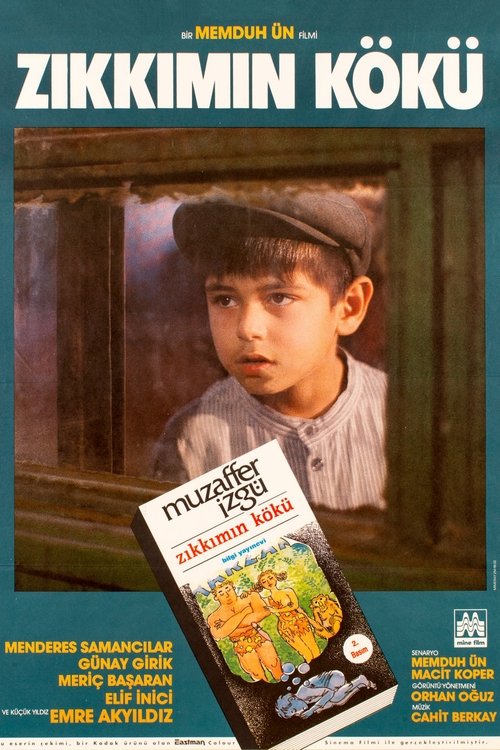
Zıkkımın Kökü
1993
No user ratings available yet
Representation score: 5.0 out of 10
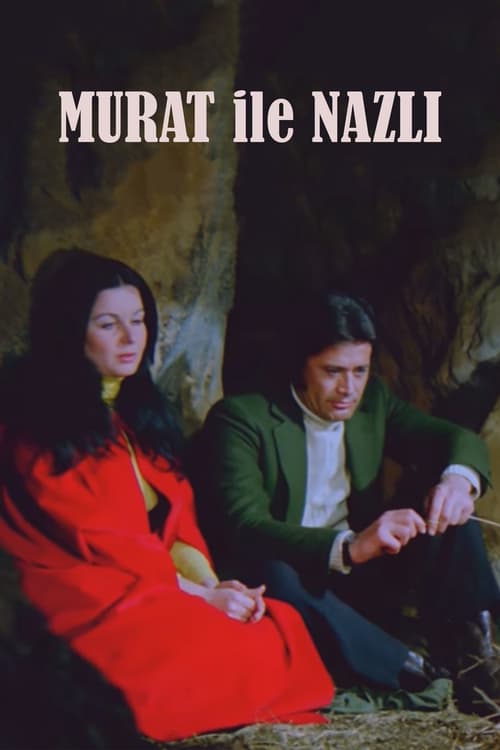
Representation Score
Limited
1972
Director
Memduh Ün
Runtime
0 minutes
Average Rating
No ratings yetNew Showbiz Analysis
Murat ile Nazlı is a classic melodrama set in the early 1970s, focusing on interpersonal conflicts and traditional romantic clichés. The narrative adheres to established social norms. The story's reliance on the 'hostile families' archetype suggests a plot rooted in tribalism and honor, upholding traditional hierarchies. This framework does not challenge existing societal structures. Overall, the film serves as a culturally specific period piece reflecting the homogeneous social landscape of its time.
Category Breakdown
The film focuses on a heterosexual relationship between Murat and Nazlı. There is no depiction of same-sex relationships or non-cisgender identities.
The story uses the star-crossed lovers cliché, which often emphasizes traditional gender roles. Female characters might face restrictions due to the hostile family environment.
As a 1972 Turkish production, the film showcases a homogeneous cultural identity. It does not include actors from diverse ethnic backgrounds.
The plot revolves around traditional social codes and family honor. The conflict seems to reinforce existing social hierarchies.
There is no indication of physical or neurodivergent disabilities being portrayed in this work.
Present on Screen
Limited or Absent
Official Synopsis
The love story of two young people from hostile families.
1993

1965

1956
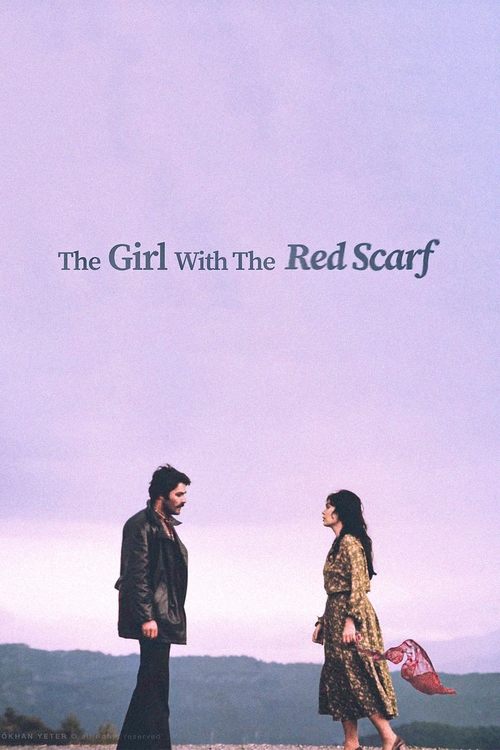
1977
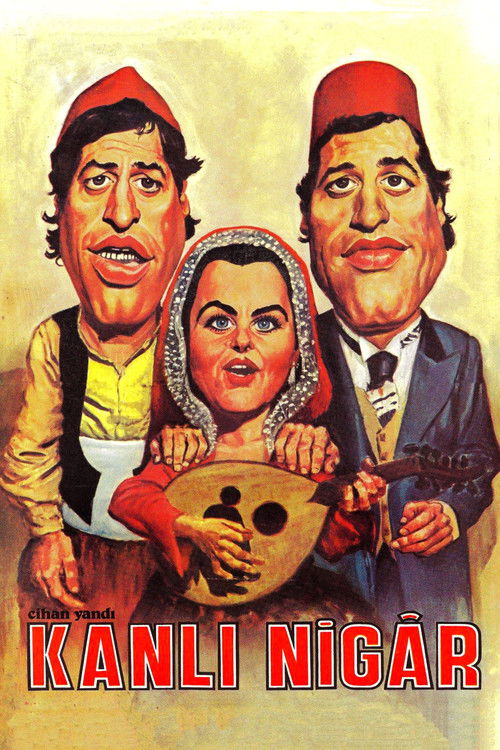
1981

1984
1974
1965
No reviews yet. Be the first to share your thoughts on this movie!
Use the rating form above to leave a star rating and optional review.