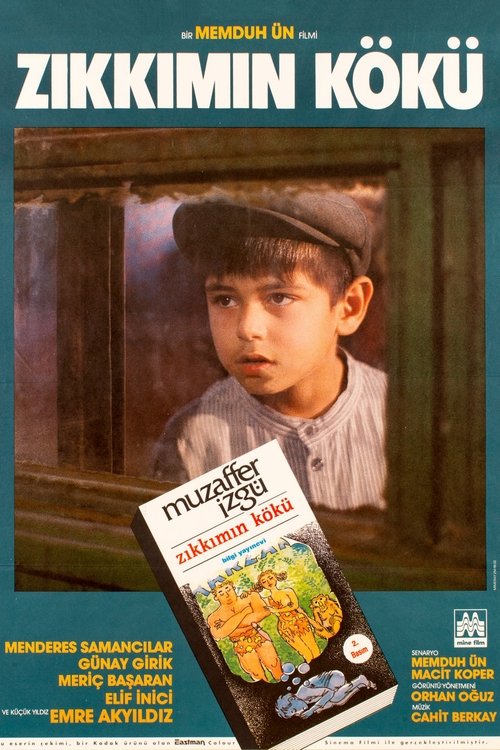
Zıkkımın Kökü
1993
No user ratings available yet
Representation score: 5.0 out of 10

Representation Score
Limited
1984
Director
Ibrahim Tatlises
Average Rating
No ratings yetNew Showbiz Analysis
Ayşem is a product of the Turkish Arabesque cinematic tradition, emphasizing intense melodrama and populist storytelling. While it provides a localized, non-Western perspective, it lacks the multi-layered approach expected by modern standards. The film focuses on regional ethnic identities and class-based struggles, yet it remains culturally homogeneous. It leans heavily on traditional social structures and fatalism rather than challenging them. Ultimately, the work serves a specific regional audience through traditional formulas, resulting in a narrow scope of representation regarding gender, sexuality, and disability.
Category Breakdown
The film does not include any visible LGBTQ+ narratives or non-cisgender identities. It follows the assumption that everyone is straight or cisgender, which was common in 1984 Turkish cinema.
Female characters often play a central role in the emotional storyline but are typically confined to traditional roles such as domestic life or suffering. The narrative reinforces existing gender hierarchies.
The production centers on Middle Eastern and Anatolian identities. While it offers a non-Western perspective, the cast remains largely uniform within its own cultural context.
The story operates within traditional social and familial hierarchies. It uses a fatalistic viewpoint to explore class struggles rather than systemic or secular critiques.
There is no evidence of characters with visible or invisible disabilities in this work.
Present on Screen
Limited or Absent
1993

1965
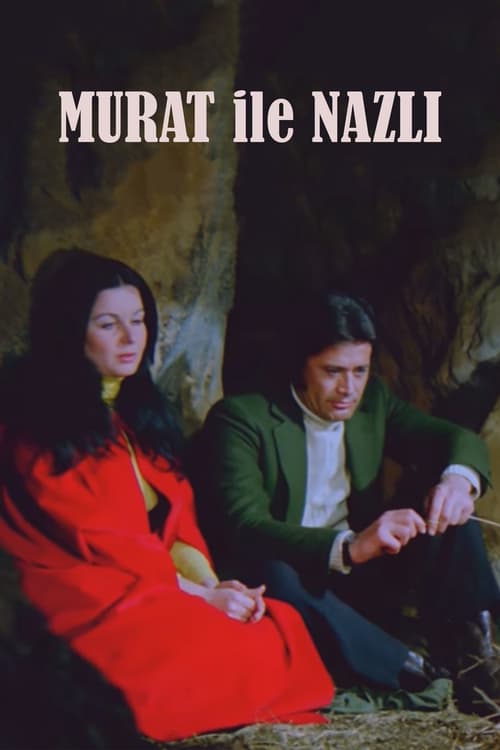
1972
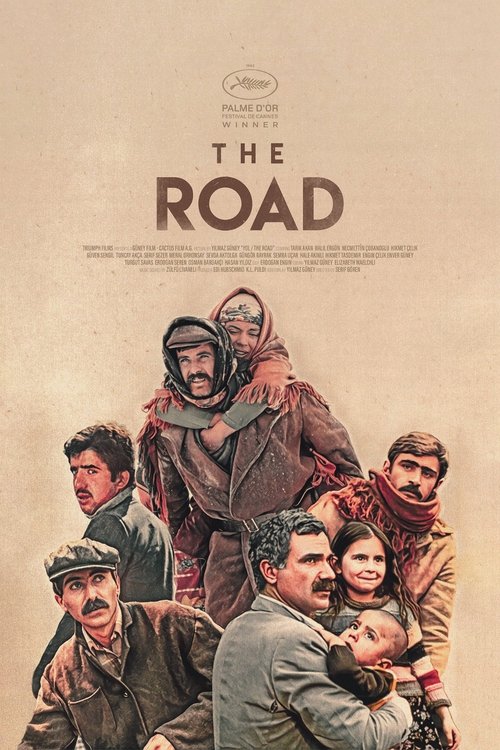
1982

2007

1974
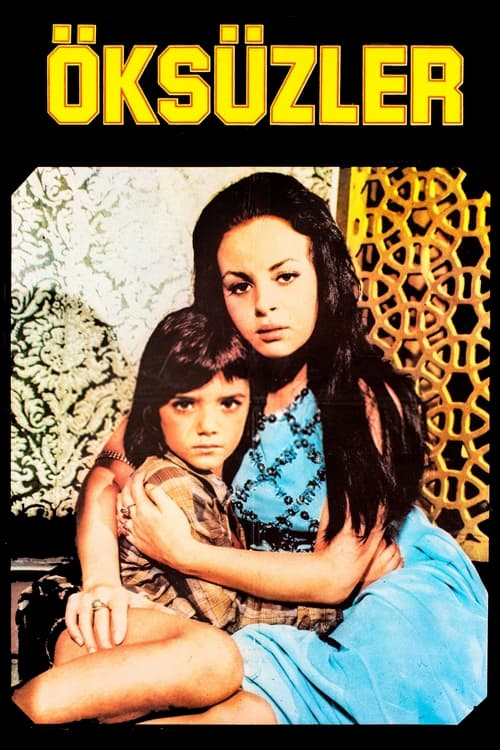
1973
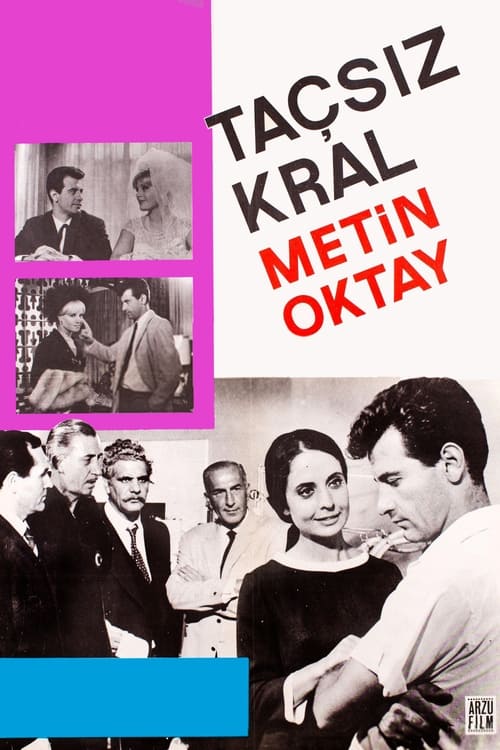
1965
No reviews yet. Be the first to share your thoughts on this movie!
Use the rating form above to leave a star rating and optional review.