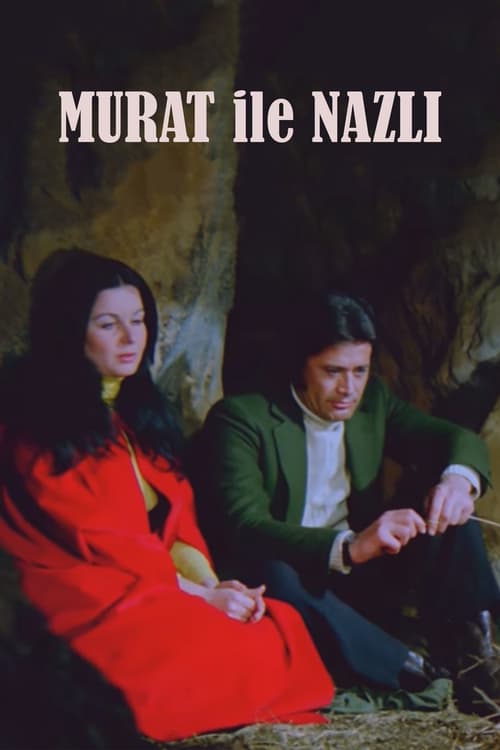
Murat ile Nazlı
1972
No user ratings available yet
Representation score: 3.6 out of 10

Representation Score
Minimal
1956
Director
Memduh Ün
Average Rating
No ratings yetNew Showbiz Analysis
Memduh Ün’s film adheres to the traditional storytelling methods of mid-20th-century Turkish cinema. Although Memduh Ün was a pioneering figure, the film does not offer clear evidence of challenging or subverting societal norms related to identity or social structures. The film features well-known actors, but the specific roles and influences of these characters are not clearly defined. Without detailed scenes, it is difficult to assess whether the film supports or questions the social norms of its time. Overall, the film does not provide clear evidence of characters having significant influence or disrupting social structures. It seems to follow the standard themes and demographics of its era.
Category Breakdown
The film does not include any characters with non-binary or LGBTQ+ identities, which was typical for Turkish films made in the 1950s.
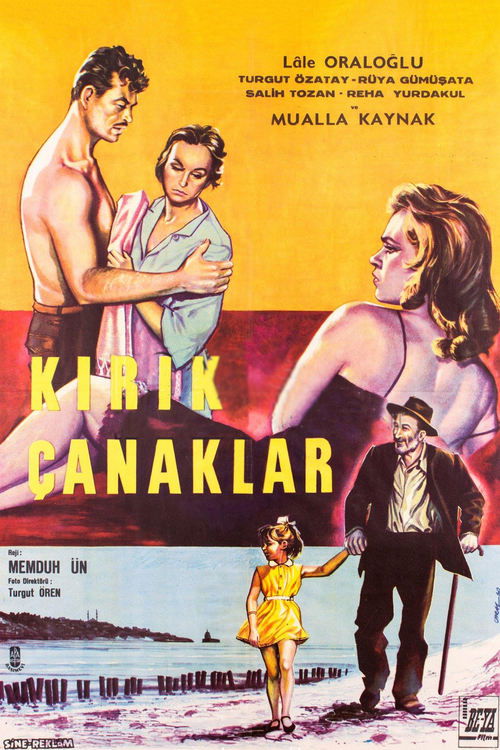
The film stars well-known actresses like Lale Oraloğlu and Muhterem Nur, but there is no clear indication of how much influence these characters have in driving the story.
Being a Turkish film from 1956, the cast reflects the demographics of that time. There is no mention of a diverse or multi-ethnic cast.
The film does not provide any clear information about its stance on religion, Western institutions, or socioeconomic issues. It is unclear if the film addresses traditional morality.
There is no information available about whether the film includes characters with physical or neurodivergent disabilities.
Present on Screen
Limited or Absent
1972

1965
1993
1977
1966
1961
1965

1984
No reviews yet. Be the first to share your thoughts on this movie!
Use the rating form above to leave a star rating and optional review.