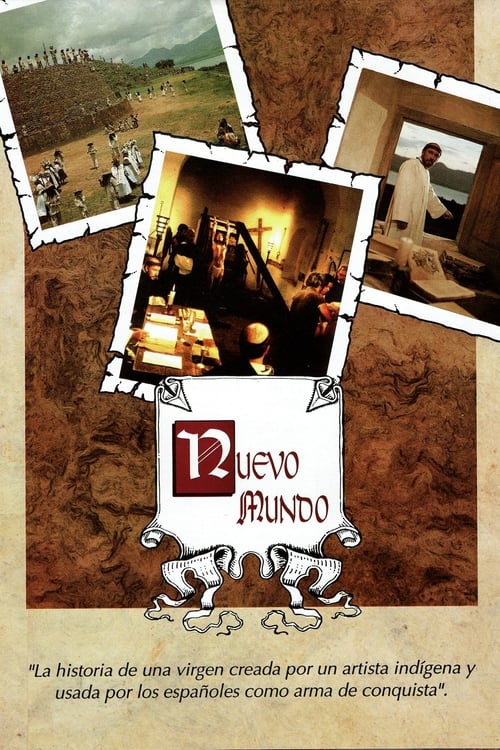
New World
1978
No user ratings available yet
Representation score: 4.5 out of 10
Representation Score
Fair
1992
Director
Jean-Daniel Verhaeghe
Runtime
90 minutes
Average Rating
No ratings yetNew Showbiz Analysis
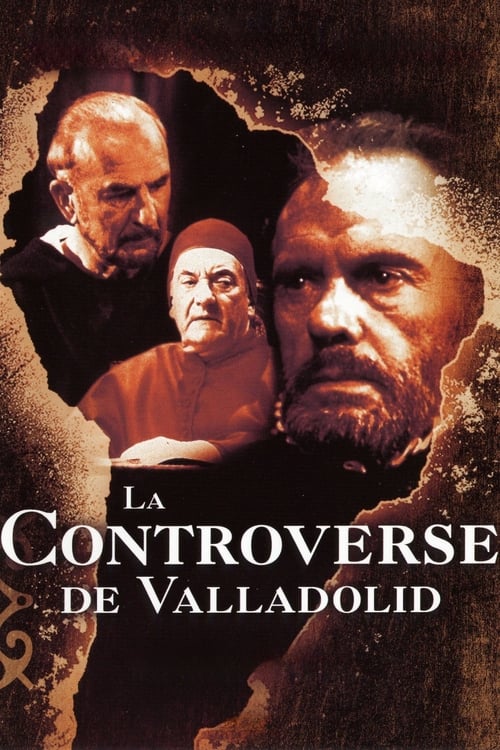
Dispute in Valladolid serves as a cerebral exploration of systemic power during the Age of Discovery. Instead of focusing on the spectacle of conquest, the film centers on the internal debates within Western institutions regarding the rights of colonized peoples. By shifting the focus from mindless expansion to a nuanced interrogation of personhood, the film elevates the concept of the 'Other' to a central role, making the humanity of indigenous populations the primary driver of the conflict. However, the film remains constrained by its historical context, limiting gender representation to male-dominated theological discourse and lacking any visible representation of LGBTQ+ identities or disability.
Category Breakdown
The film does not include explicit representations of LGBTQ+ identities or same-sex relationships. The narrative primarily focuses on the sociopolitical and theological status of indigenous populations.
The story adheres to historical norms where male voices dominate legal and theological discussions. Intellectual ability to act is emphasized over traditional gender roles of the time.
Indigenous peoples are highlighted as central figures driving the plot, emphasizing their recognition as non-European humans and their status as colonized peoples.
The film depicts the Church and colonial administration as contested spaces of moral debate. It questions the inherent superiority of European civilization by challenging Western dominance.
There is no indication of the portrayal of physical or neurodivergent disabilities within the film's narrative.
Present on Screen
Limited or Absent
Official Synopsis
Spain conquered the seas, found a new world and different realities than the one known in Europe. But a question needed to be answered with what they found in those new territories: do the Indians have souls? The Church, bound to protect and convert the natives and the conquerors who treated them like slaves and thought they were only merchandising, expose their arguments and reasonings at what would be known as the Vallidolid controversy. Between them, there's a cardinal hearing both parts and trying to get reasonable answers from this critical question.
1978
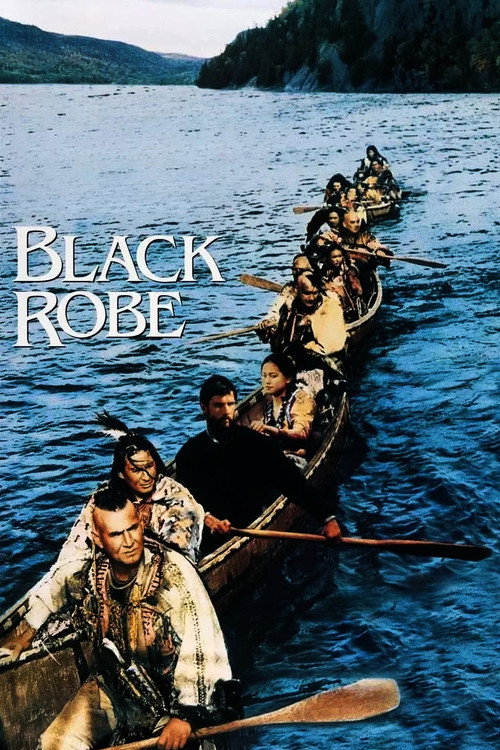
1991
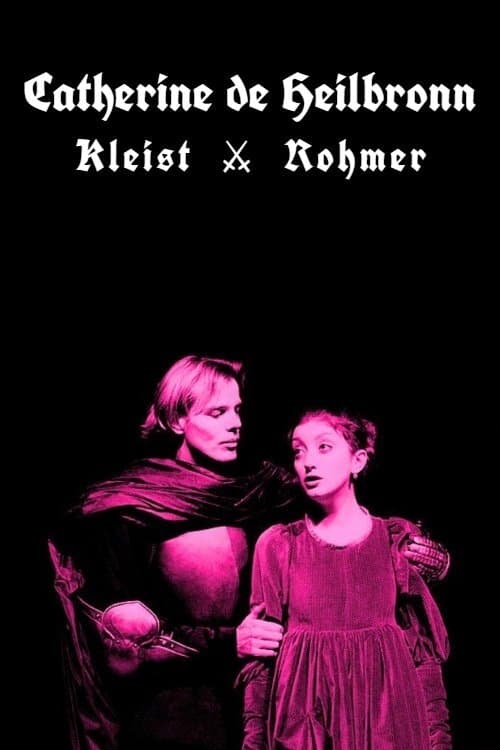
1980
1992
1991
1964
1966
2012
No reviews yet. Be the first to share your thoughts on this movie!
Use the rating form above to leave a star rating and optional review.