We Feed People
2022
No user ratings available yet
Representation score: 8.6 out of 10
Representation Score
Fair
2015
GDirector
Josh Victor Rothstein
Runtime
70 minutes
Average Rating
No ratings yetNew Showbiz Analysis
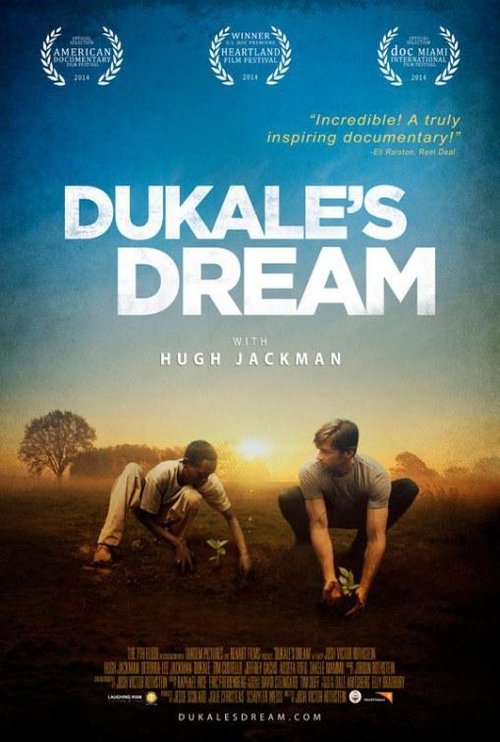
Dukale's Dream shifts the cinematic lens toward a non-Western perspective by centering an Ethiopian farmer. This provides a meaningful departure from Anglo-Saxon-centric storytelling and highlights local ability to act in the fight against poverty. However, the film operates within a traditional framework. The narrative is framed by a major Western humanitarian organization, which limits its ability to offer a purely anti-Western or anti-capitalist critique. The focus remains on institutional altruism. Representation is also limited in other social dimensions. The film lacks engagement with LGBTQ+ identities and maintains a male-centric view of ability to act, sticking to traditional roles rather than exploring gender subversion.
Category Breakdown
The film does not include any LGBTQ+ characters or stories about non-assuming gender matches what was assigned at birth identities. It focuses solely on humanitarian aid and rural development in Ethiopia.
The main focus is on men's control over the story, centered around Dukale's work as a coffee farmer. Traditional gender roles are depicted within a developmental context without challenging them.
The documentary achieves high racial diversity by centering an Ethiopian protagonist. It avoids the 'white savior' cliché by highlighting the ability to act of the local community.
The narrative explores global equity and fair trade through a Western humanitarian lens. It emphasizes altruism and community development within an institutional framework.
There is no mention of characters with visible or invisible disabilities. The narrative does not represent neurodivergent or physical disabilities.
Present on Screen
Limited or Absent
Official Synopsis
In 2009, actors Hugh Jackman and his wife, Deborra-lee Furness, traveled to Ethiopia as ambassadors for World Vision Australia, one of the world's largest humanitarian aid organizations. As longtime donors, the Jackmans wanted to visit a World Vision community development project to see how rural communities were being empowered to eradicate poverty. While in the Yirgacheffe region, Hugh met a 27 year-old coffee farmer named Dukale, working to lift his family out of poverty. Spending time on Dukale's farm, Hugh learned first-hand about the value of fair trade coffee and clean cookstove technology. (C) Official Site
2022
2000

2015
2022
2008
2010
2010
2004
No reviews yet. Be the first to share your thoughts on this movie!
Use the rating form above to leave a star rating and optional review.