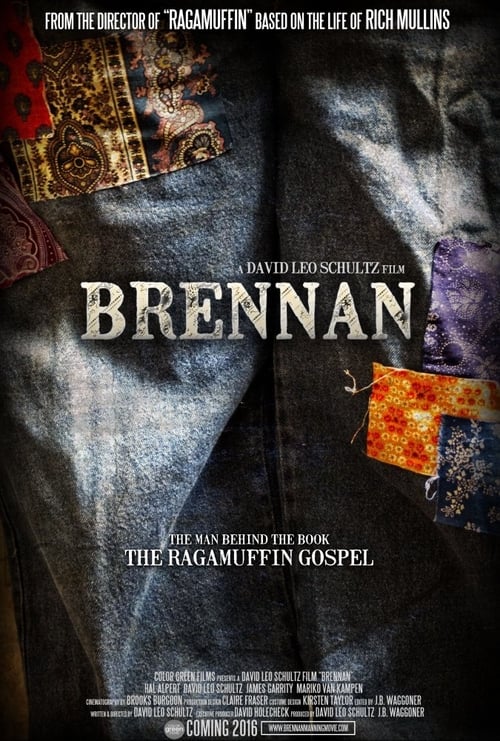
Brennan
2016
No user ratings available yet
Diversity score: 2.8 out of 10

2003
PGDirector
Damian Chapa
Runtime
116 minutes
Average Rating
No ratings yetSynopsis
The Calling follows the controversial life of evangelist Leroy Jenkins.
Overall Score
Limited
Category Breakdown
LGBTQ+ Representation
The film lacks documented LGBTQ+ characters or non-cisnormative identities. The plot focuses on a religious vocation, appearing to follow a traditional biographical framework.
Gender Representation
The narrative centers on a singular male figure, Leroy Jenkins. There is no evidence of women in positions of intellectual authority or the subversion of masculine leadership.
Racial & Ethnic Diversity
The story is rooted in specific American religious contexts. There is no verifiable evidence of a non-Anglo-Saxon majority cast or race-bent casting.
Religious & Cultural Diversity
The premise is explicitly tied to evangelicalism. The narrative reinforces religious institutions rather than exploring secularism or critiques of Western religious structures.
Disability Representation
There is no information regarding the portrayal of physical disabilities, neurodivergence, or mental health conditions within the film's narrative arc.
Strengths
Areas for Improvement
AI Analysis
The Calling functions as a conventional biographical drama centered on the life of evangelist Leroy Jenkins. The film adheres to established social and religious structures rather than attempting to deconstruct them through diverse or subversive storytelling. The narrative architecture is highly singular, focusing on a male religious figure. This creates a framework that prioritizes traditional institutional values over intersectional agency or progressive social critiques. Because the film lacks visible representation of LGBTQ+ identities, diverse racial casts, or gender subversion, it remains a narrow character study within a specific cultural niche.
2016
2019

2018

2010
2008

2013

2012
2016
2005
2015
2000

2024
No reviews yet. Be the first to share your thoughts on this movie!
Use the rating form above to leave a star rating and optional review.