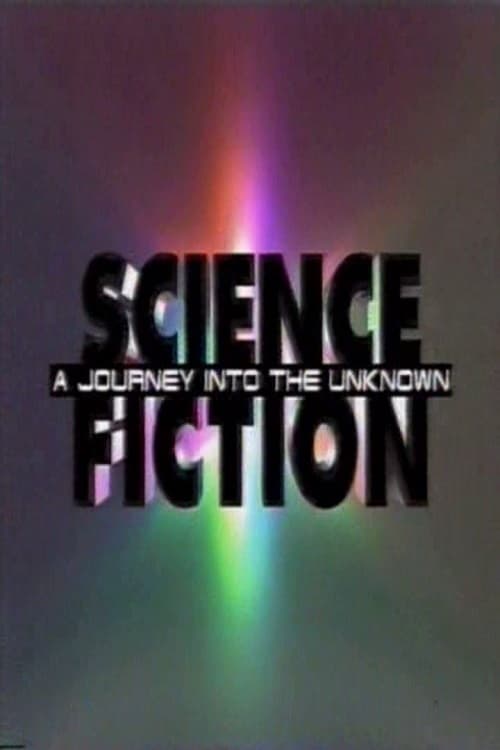
Science Fiction: A Journey Into the Unknown
1994
No user ratings available yet
Representation score: 5.5 out of 10

Representation Score
Minimal
2005
TV-PGDirector
Richard Schickel
Runtime
56 minutes
Average Rating
No ratings yetNew Showbiz Analysis
This documentary provides a scholarly retrospective on the 1950s science fiction era. Since it analyzes a specific historical period, the representation is inherently limited by the social norms and censorship of that time. The film emphasizes technical influence and genre evolution over modern social critiques. While it features influential directors like Spielberg and Lucas, the content remains rooted in the traditionalist frameworks of mid-century cinema. Ultimately, the low diversity scores reflect the historical era being studied rather than a lack of contemporary intent. It is a study of cinematic lineage rather than a platform for progressive representation.
Category Breakdown
The documentary looks at 1950s science fiction, a time marked by strict social norms and censorship. There is no evidence of stories involving LGBTQ+ individuals or intentional representation of LGBTQ+ communities.
The film focuses on the 'Golden Age' of science fiction, which relied heavily on male-dominated roles. Prominent male directors lead the discussion, but the era often sidelined women's roles and ability to act.
The analysis centers on a genre historically dominated by Anglo-centric views and homogeneous casting. The film explores the aesthetic impact of a period that lacked significant racial diversity in mainstream output.
The narrative is academic and retrospective, focusing on film history rather than critiquing Western institutions. It serves as a preservation of cinematic lineage rather than a deconstruction of traditional morality.
There is no specific evidence regarding the depiction of physical or neurodivergent disabilities within the scope of this documentary.
Present on Screen
Limited or Absent
Official Synopsis
Directors Stephen Spielberg, George Lucas, Ridley Scott and James Cameron discuss the science fiction movies of the 1950s that influenced them.
1994
2011

2001
2001
2007
2004
1982
2016
No reviews yet. Be the first to share your thoughts on this movie!
Use the rating form above to leave a star rating and optional review.