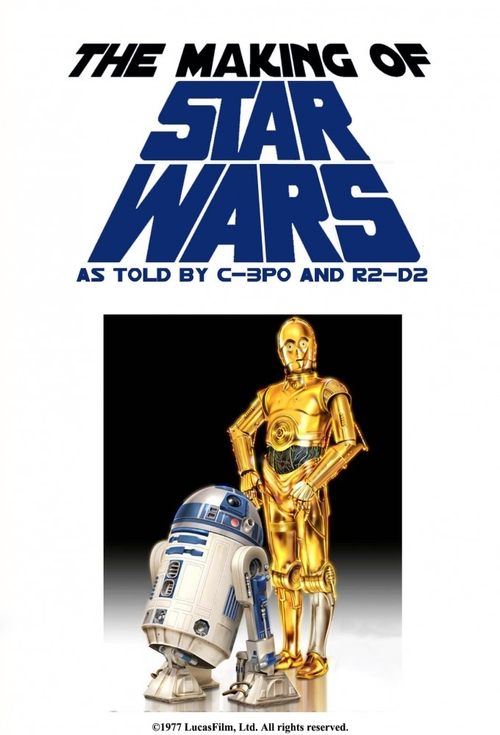
The Making of Star Wars
1977
No user ratings available yet
Representation score: 3.6 out of 10
Representation Score
Limited
1983
UnratedRuntime
65 minutes
Average Rating
No ratings yetNew Showbiz Analysis
This documentary serves as a journalistic account of the technical evolution behind the original Star Wars trilogy. Since it focuses on filmmaking logistics rather than scripted storytelling, it lacks intentional identity-driven narratives. The production reflects the demographic homogeneity and institutional norms of the early 1980s. It prioritizes the history of cinematic ingenuity over social or multi-layered discourse. Ultimately, the work functions as a period-specific archival document that mirrors the industry's traditional hierarchies rather than challenging them.
Category Breakdown
The documentary does not include any scripted LGBTQ+ characters or narratives. Instead, it focuses on the technical craftsmanship and professional experiences of the film crew from the 1980s.
The film reflects the gender norms of the early 1980s. Female crew members and actresses are present, but the narrative centers on male-dominated hierarchies in directing and special effects.
The production environment shown is predominantly Anglo-centric. It offers limited representation of non-white individuals in key creative or technical roles during the era.
The work celebrates Western cinematic achievements and American myth-making. It portrays the filmmaking process as a monumental accomplishment of the traditional studio system.
There is no focus on disability or neurodivergence. The subject matter centers on the physical and technical demands of film production.
Present on Screen
Limited or Absent
Official Synopsis
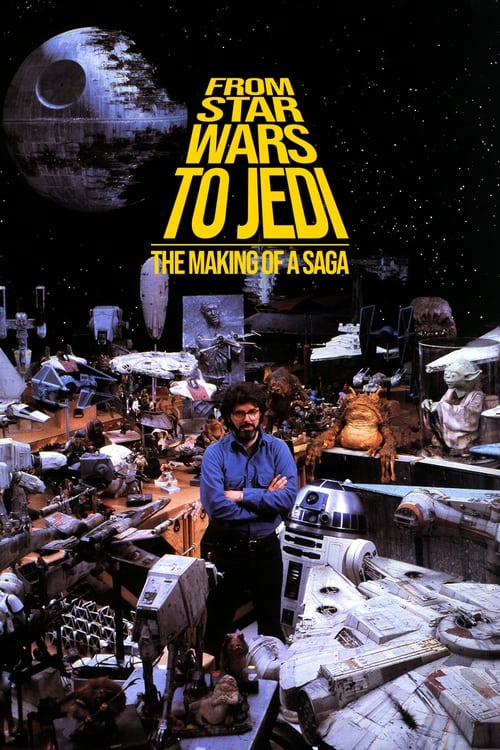
From Star Wars to Jedi: The Making of a Saga is a 1983 television documentary special that originally aired on PBS. It is a behind-the-scenes look at the making of the original Star Wars trilogy, with particular emphasis on the final film, Return of the Jedi. Narrated by actor Mark Hamill, the documentary was written by Richard Schickel who had written the previous television documentaries The Making of Star Wars (1977) and SP FX: The Empire Strikes Back (1980).
1977
2004
1980
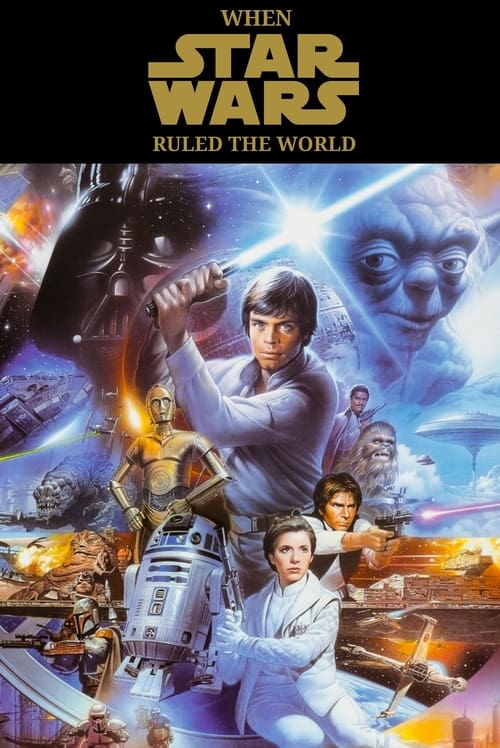
2004
1997
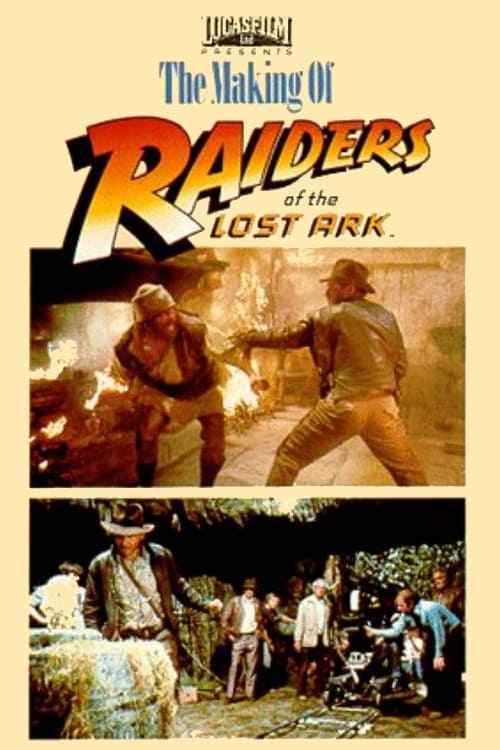
1981
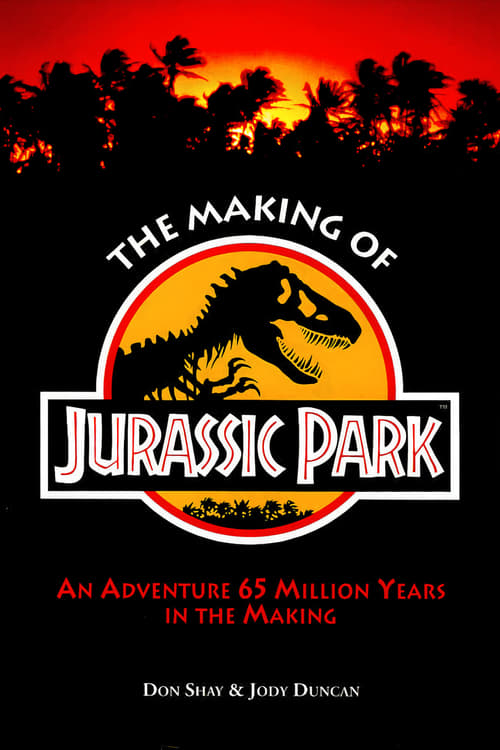
1995
2001
No reviews yet. Be the first to share your thoughts on this movie!
Use the rating form above to leave a star rating and optional review.