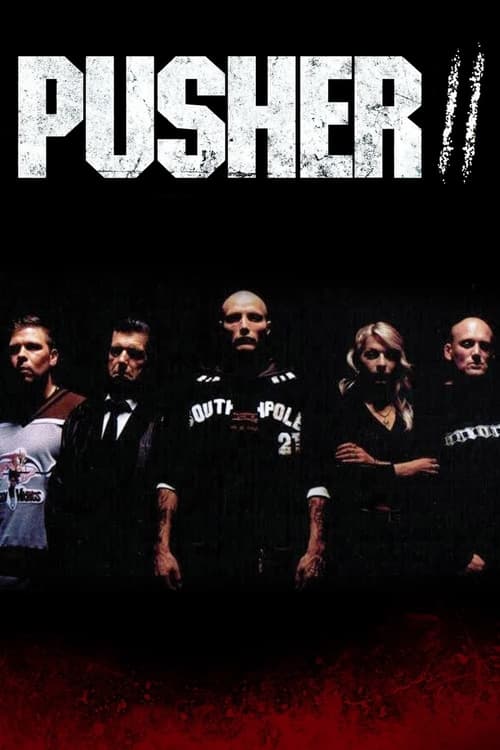
Pusher II
2004
No user ratings available yet
Representation score: 4.9 out of 10

Representation Score
Limited
2005
Director
Daniel Fridell
Runtime
90 minutes
Average Rating
No ratings yetNew Showbiz Analysis
Bloodbrothers is a gritty crime drama that prioritizes a hyper-masculine framework over diverse identities. The story centers on a closed loop of male interactions, leaving little room for varied gender roles or LGBTQ+ representation. While the film lacks representation for LGBTQ+ individuals and people with disabilities, it finds depth through its sociological lens. It successfully deconstructs traditional notions of law and order by highlighting the failures of systemic institutions. Ultimately, the film trades demographic breadth for thematic complexity, focusing on the survivalism of the underrepresented within a specific socioeconomic context.
Category Breakdown
The film focuses almost exclusively on straight male bonding. There is a notable absence of non-binary gender identities or depictions of same-sex intimacy.
The narrative prioritizes male-centric dynamics and traditional masculine roles. Women play minor roles and have little influence over the central plot.
Casting reflects a predominantly white Swedish demographic. The story focuses on class-based exclusion rather than diversity in race or ethnicity.
The film offers a progressive critique of socioeconomic structures. It frames criminal activity as a result of systemic decay using moral relativism.
There is no significant evidence of characters with visible or invisible disabilities. The narrative does not address neurodivergence or physical disability.
Present on Screen
Limited or Absent
Official Synopsis
30-year-old Jon is released after seven years in prison and decides to put all his criminal activities behind him and start a new life.
2004

2003
2006
2012
2011

1992

2010
2014
No reviews yet. Be the first to share your thoughts on this movie!
Use the rating form above to leave a star rating and optional review.