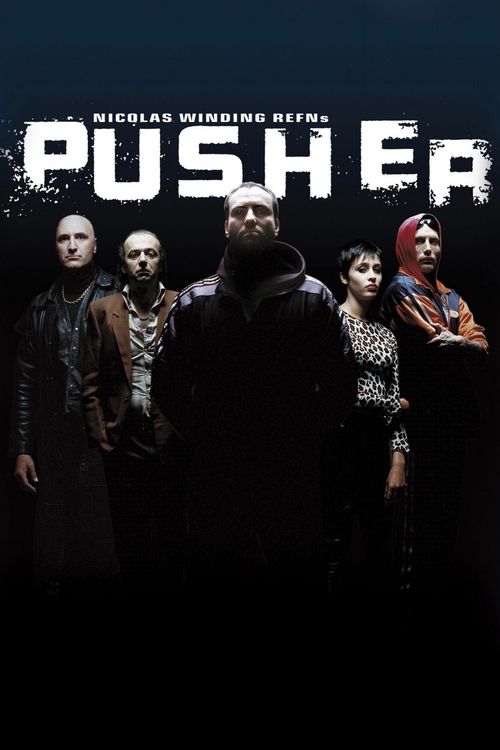
Pusher
1996
No user ratings available yet
Representation score: 0.9 out of 10

Representation Score
Fair
2004
Not RatedDirector
Nicolas Winding Refn
Runtime
100 minutes
Average Rating
No ratings yetNew Showbiz Analysis
Pusher II is a gritty, naturalistic study of trauma and social entrapment. Its cinematic value lies in thematic subversion rather than demographic variety. The film avoids traditional moral binaries, opting for a nihilistic lens that challenges the efficacy of social hierarchies. While the film lacks diverse casting, it succeeds in deconstructing the traditional strong male archetype. It replaces the traditional hero with a vulnerable, impulsive protagonist caught in a socioeconomic trap. Ultimately, the work functions as a localized character study. It trades demographic breadth for a sophisticated exploration of gray morality and the failure of Western institutional structures.
Category Breakdown
The film operates within an assumption that everyone is straight and cisgender, with no visible presence of queer identities or narratives that explore non-cisgender perspectives.
The film challenges the typical strong male archetype by portraying Tonny as emotionally unstable and incompetent rather than dominant. Female characters have limited influence, mainly serving as emotional support for the male characters.
The setting is a highly homogeneous social environment reflecting a specific Copenhagen underworld. The cast is predominantly white, focusing on a localized, culturally specific character study.
The narrative excels through moral relativism and critiques of systemic structures. It portrays legal institutions as adversarial or irrelevant, prioritizing personal loyalty over institutional law.
No characters feature explicit physical or sensory disabilities. While the film explores psychological instability, these traits are presented as consequences of a violent lifestyle rather than purposeful disability representation.
Present on Screen
Limited or Absent
Official Synopsis
Tonny is released from prison - again. This time he has his mind set on changing his broken down life, but that is easier said than done.
1996
2005

2006

1993

2005

2012

2013
2010
No reviews yet. Be the first to share your thoughts on this movie!
Use the rating form above to leave a star rating and optional review.