
Death as a Slice of Bread
1994
No user ratings available yet
Representation score: 7.3 out of 10
Representation Score
Fair
1989
Director
Tadeusz Konwicki
Runtime
129 minutes
Average Rating
No ratings yetNew Showbiz Analysis
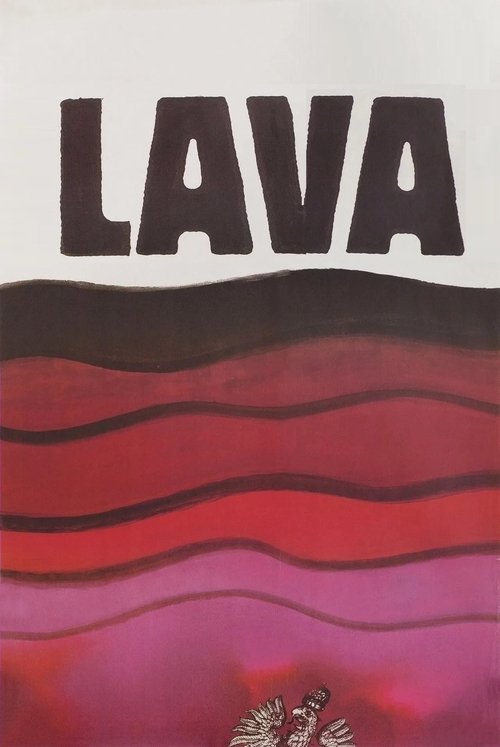
Lava is a meditative, intellectually driven drama that prioritizes metaphysical inquiry over conventional storytelling. It engages with national literature and folklore, using the rituals of the Vilnius region to explore the fluidity of time. The film excels in its cultural complexity and its ability to deconstruct historical mythologies. By highlighting the haunting presence of the past, it challenges traditional views of reality and national identity. However, the narrative's focus on regional history and specific literary themes limits its broader representation. The lack of detailed character descriptions regarding gender or queer identity leaves much of its social diversity to be inferred through genre rather than direct portrayal.
Category Breakdown
The film's surreal and metaphysical elements hint at fluid identities. While specific queer roles are not confirmed, the genre allows for unconventional relationships.
Themes of ancient rituals and ghosts provide chances to challenge traditional gender roles. The story may depict archetypal or spiritual versions of masculinity and femininity.
The story is deeply rooted in the cultural history of the Vilnius region. It focuses on regional identity and the overlapping ethnic histories of Eastern European borderlands.
The film centers on the literary legacy of Mickiewicz and 'Day of the Dead' rituals. It emphasizes spiritual truth and questions how national myths shape individual reality.
There is no documented evidence regarding the portrayal of physical or neurodivergent disabilities in this work.
Present on Screen
Limited or Absent
Official Synopsis
On the eve of the Day of the Dead, among mysterious old rituals of the Vilnius region, ghosts of the past and present start to appear.
1994
1967

2013
1961
1952

1999
1972
2011
No reviews yet. Be the first to share your thoughts on this movie!
Use the rating form above to leave a star rating and optional review.