
Rebellion
2011
No user ratings available yet
Representation score: 5.2 out of 10
Representation Score
Limited
2025
Director
Diego de León
Runtime
95 minutes
Average Rating
No ratings yetNew Showbiz Analysis
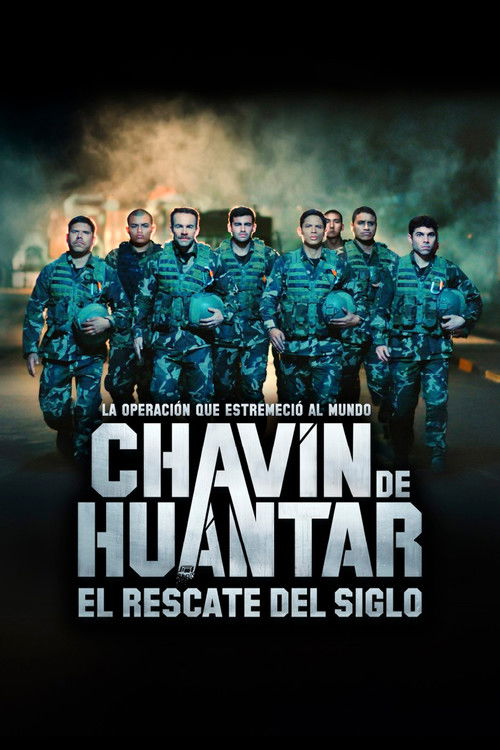
Chavín de Huántar, el rescate del siglo is a historical action thriller that prioritizes national identity and institutional strength. It succeeds in providing a non-Western perspective by centering a significant Peruvian historical event, offering cultural authenticity through its cast and setting. However, the film adheres to traditional social hierarchies. The narrative architecture is built around masculine leadership and military command, leaving little room for diverse gender roles or LGBTQ+ representation. The focus remains on state-led order and patriotism. Ultimately, the film functions as a celebration of national sovereignty. While it excels in ethnic representation, its conservative approach to storytelling favors historical accuracy and institutional pride over the subversion of social norms.
Category Breakdown
The film focuses on military and diplomatic hierarchies. There are no LGBTQ+ characters or narratives that challenge the assumption that everyone is straight or cisgender.
ability to act is concentrated within male commandos and military leadership. The story centers on a male-dominated operation led by Colonel Juan Valer Sandoval.
The film provides a platform for South American ability to act by centering a Peruvian national narrative. It avoids Anglo-centric perspectives through culturally authentic casting.
The narrative celebrates state competence and national defense. It upholds traditional concepts of sovereignty and institutional stability rather than critiquing them.
The synopsis contains no mention of characters with visible or invisible disabilities. The focus remains strictly on tactical rescue execution.
Present on Screen
Limited or Absent
Official Synopsis
On December 17, 1996, MRTA terrorists took hundreds of people hostage at the residence of the Japanese ambassador in Lima, Peru, including ministers and high-ranking military officials. For 126 days, the country remained in suspense as the Peruvian Army secretly planned Operation Chavín de Huantar, an intervention led by Commander Juan Valer. On April 22, 1997, after months of planning, Peruvian commandos carried out a rescue operation that kept Peru and the world on edge.
2011
2019
1999
2010
1976
2017
2000
2005
No reviews yet. Be the first to share your thoughts on this movie!
Use the rating form above to leave a star rating and optional review.