Dracula's Widow
1988
No user ratings available yet
Representation score: 1.8 out of 10
Representation Score
Minimal
1997
UnratedDirector
Sergio Stivaletti
Runtime
98 minutes
Average Rating
No ratings yetNew Showbiz Analysis
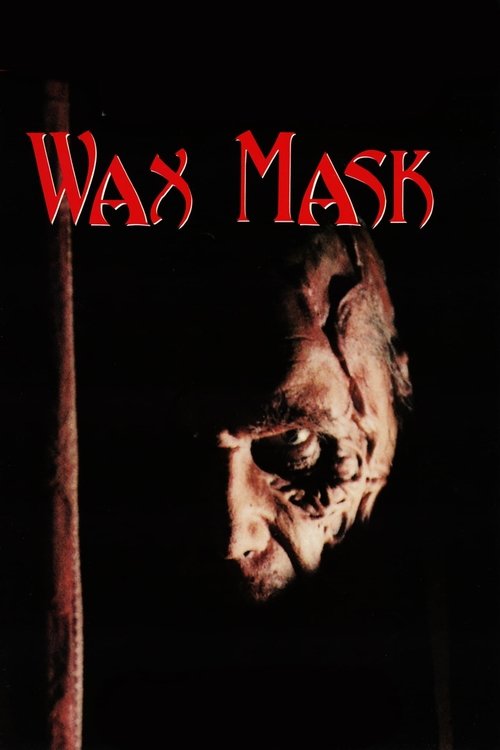
The Wax Mask is a traditional late-90s horror thriller that prioritizes atmospheric tension and visceral spectacle over social commentary. It adheres strictly to genre clichés, such as the masked killer and the macabre museum, rather than exploring multiple aspects of identity. The film's setting in historical Europe reinforces a narrow demographic focus. The narrative structure relies on established formulas like the 'final girl' to move the plot forward, emphasizing vulnerability rather than challenging gender hierarchies. Ultimately, the film functions as a localized, genre-driven piece. It lacks the depth required to address diverse social perspectives or deconstruct traditional institutional norms.
Category Breakdown
The film doesn't include any characters with non-traditional gender identities. The story focuses on a traditional good-versus-evil conflict set in a historical context.
A young girl serves as the main witness to a massacre, using the classic 'final girl' cliché. However, the story relies on female vulnerability to drive the horror.
Set in Paris and Rome, the film features a mostly homogeneous European cast. It reflects the demographic homogeneity typical of these historical settings.
The story follows standard gothic horror conventions. It does not critique Western institutions or emphasize secular themes, focusing instead on the suspense of a masked killer.
Physical trauma, such as a metal claw, serves as a plot device for horror. There is no meaningful depiction of characters with disabilities or neurodivergence.
Present on Screen
Limited or Absent
Official Synopsis
Paris, 1900: a couple are horribly murdered by a masked man with a metal claw who rips their hearts out. The sole survivor and witness to the massacre is a young girl. Twelve years later in Rome a new wax museum is opened, whose main attractions are lifelike recreations of gruesome murder scenes. A young man bets that he will spend the night in the museum but is found dead the morning after. Soon, people start disappearing from the streets of Rome and the wax museum halls begin filling with new figures...
1988

1964
1964
1970
2001

1933
1999
1953
No reviews yet. Be the first to share your thoughts on this movie!
Use the rating form above to leave a star rating and optional review.