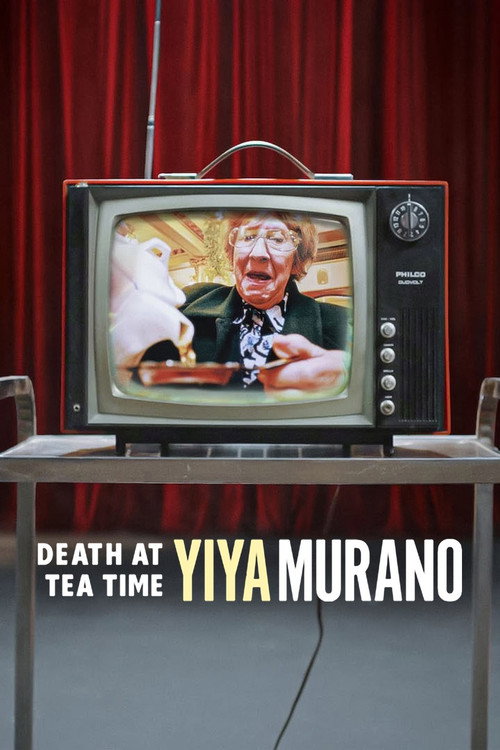
Yiya Murano: Death at Tea Time
2026
No user ratings available yet
Representation score: 3.0 out of 10

Representation Score
Limited
2022
Director
Alejandro Hartmann
Runtime
105 minutes
Average Rating
No ratings yetNew Showbiz Analysis
The documentary serves as a forensic examination of the 1997 murder of José Luis Cabezas. It moves beyond simple true crime clichés to investigate a systemic mafia scheme involving political and economic powers in Argentina. The film's primary value lies in its institutional critique, challenging the legitimacy of established hierarchies by focusing on how corruption permeates state and corporate entities. While the film lacks representation for specific identity groups like LGBTQ+ or disabled individuals, it succeeds in providing a non-Western-centric perspective on systemic power and investigative journalism.
Category Breakdown
The documentary focuses on a historical criminal investigation and political conspiracy. There are no visible LGBTQ+ narratives or identity-based character arcs present.
The film scrutinizes high-level decision-making within traditional power structures. It provides a critique of established masculine authority by investigating the morality of political and economic leaders.
Set in Argentina, the film explores a localized, non-Anglo-Saxon context. The investigation into systemic corruption touches upon the class and ethnic dynamics inherent in Latin American power structures.
The narrative prioritizes institutional accountability and the deconstruction of official state narratives. It engages deeply with themes of systemic dysfunction and the critique of capitalist structures.
There is no evidence of characters or subjects with visible or invisible disabilities included in the film.
Present on Screen
Limited or Absent
Official Synopsis
The murder of photographer José Luis Cabezas in the summer of 1997 deeply shakes Argentina, and ends up revealing a mafia scheme in which the political and economic powers appear to be involved.
2026

2002

2022

2012

2013
2020

2021
2011
No reviews yet. Be the first to share your thoughts on this movie!
Use the rating form above to leave a star rating and optional review.