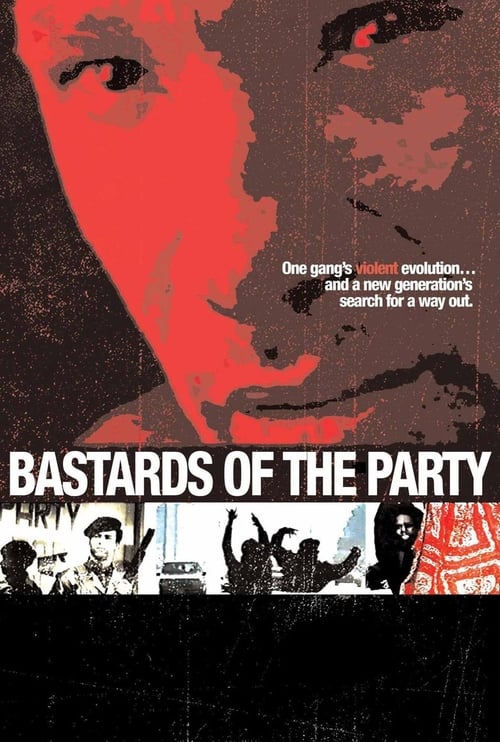
Bastards of the Party
2005
No user ratings available yet
Representation score: 5.2 out of 10

Representation Score
Fair
2015
Not RatedDirector
Shan Nicholson
Runtime
71 minutes
Average Rating
No ratings yetNew Showbiz Analysis
Rubble Kings provides a powerful, nuanced look at Black ability to act in 1970s New York. Using archival footage, it disrupts whitewashed historical narratives and treats its subjects as complex actors navigating systemic instability. However, the film is heavily constrained by its subject matter. The focus on hyper-masculine street culture results in a lack of LGBTQ+ visibility and minimal representation of women. Ultimately, the documentary succeeds as a social realist study. It offers a sophisticated critique of how urban decay and institutional failures shape identity.
Category Breakdown
The film focuses on the hyper-masculine social structures of 1970s street culture. There are no visible LGBTQ+ characters or non-straight relationships in the archival footage.
The documentary centers on male-dominated hierarchies and the pressures of hyper-masculinity. Women play a minor role in the core gang dynamics presented.
The film excels in centering Black lived experiences within an urban American context. It highlights the ability to act of Black youth during socioeconomic upheaval using archival footage.
The narrative critiques the breakdown of parental and institutional structures. It frames survival-based activities as responses to environmental necessity and systemic failures.
There is no significant or identifiable focus on visible or invisible disabilities within the documentary scope.
Present on Screen
Limited or Absent
Official Synopsis
Through archival footage Nicholson tells the story of the real Warriors that walked the streets of New York City in the 1970s and the harsh reality of gang life in a city that seemed to be falling apart.
2005
2000

1980
2015
2005

2009
1984

2021
No reviews yet. Be the first to share your thoughts on this movie!
Use the rating form above to leave a star rating and optional review.