Wide Angle Saxon
1975
No user ratings available yet
Representation score: 4.9 out of 10
Representation Score
Fair
1973
Director
Owen Land
Runtime
6 minutes
Average Rating
No ratings yetNew Showbiz Analysis
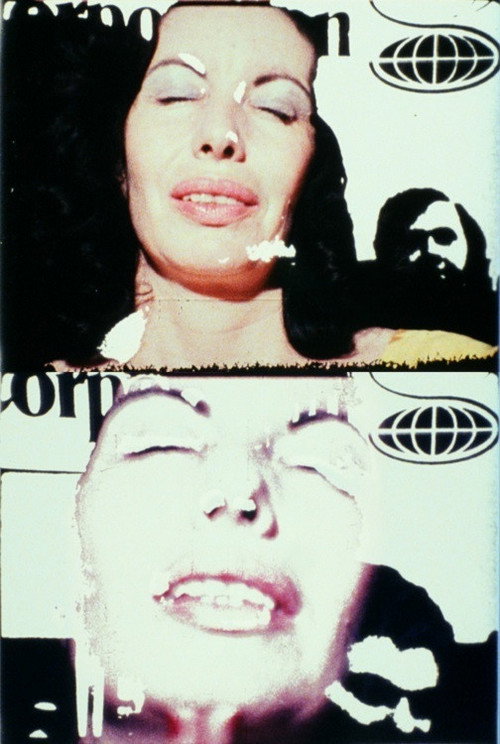
Owen Land’s experimental collage avoids traditional storytelling in favor of a symbolic montage. The film's strength lies in its structural critique of Western hierarchies, using juxtaposition to question consumerism and religious institutions. However, the film lacks explicit, character-driven representation. Since it avoids linear plots and dialogue, it can't provide specific visibility for LGBTQ+ or racial identities. Ultimately, the film serves as a formal critique of societal structures rather than a vehicle for identity-based storytelling.
Category Breakdown
The film doesn't include explicit LGBTQ+ characters or stories. Its fragmented, non-linear structure offers a unique viewing experience but doesn't represent specific LGBTQ+ identities.
The film challenges traditional gender roles by showing women in both spiritual and commercial settings. This placement questions the usual objectification of women.
Specific racial demographics aren't mentioned. However, the New York setting suggests a mix of cultures might be represented in the film's random montage.
The film challenges cultural norms by mixing prayer with consumerism. This montage breaks down the distinction between sacred spiritual values and commercial structures.
There is no evidence of the portrayal of physical or neurodivergent disabilities in this film.
Present on Screen
Limited or Absent
Official Synopsis
A rapturous audio-visual mix that “deliberately seeks a hidden order in randomness.” The film combines the face of a woman in ecstatic, contemplative prayer with shots of an animal rights activist, and a scantily clad model advertising Russian cars at the International Auto Show, New York. - Harvard Film Archive
1975
1964
1964
1983

1975
1967

1964

1966
No reviews yet. Be the first to share your thoughts on this movie!
Use the rating form above to leave a star rating and optional review.