Color Film
1971
No user ratings available yet
Representation score: 0.6 out of 10
Representation Score
Limited
1975
Director
Dan Barnett
Runtime
53 minutes
Average Rating
No ratings yetNew Showbiz Analysis
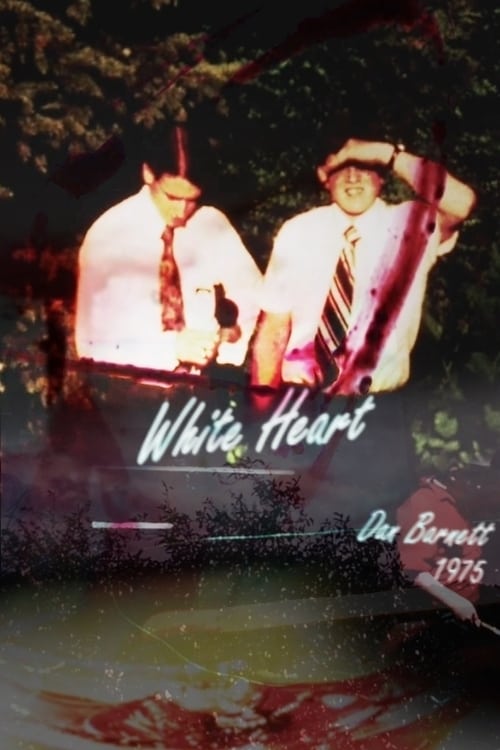
White Heart is a formalist experiment that prioritizes structural defiance over social commentary. It functions as a symphonic exploration of cinematic meaning through montage and technical manipulation rather than demographic inclusion. The film's value lies in its disruption of traditional storytelling hierarchies. By utilizing bleaching, staining, and philosophical text, it challenges the authority of the image and the concept of a singular, objective reality. Ultimately, the work lacks human-centric social dynamics. Because it focuses on textures, landscapes, and the medium itself, it fails to provide meaningful representation across most identity-based categories.
Category Breakdown
The film is a non-narrative, symphonic montage without explicit LGBTQ+ characters or romantic depictions. It avoids traditional character arcs and lacks visible representation of LGBTQ+ identities.
The film emphasizes formalist elements over interpersonal dynamics, resulting in low gender representation. It lacks roles where women take control of their own stories, although it does not promote traditional gender hierarchies.
The imagery focuses on environmental textures like forests and ocean waves, avoiding human social dynamics. There is no racial complexity or evidence of a diverse cast.
The film disrupts Western cinematic structures by prioritizing philosophical inquiry and using contrapuntal montage. Its deconstruction of the medium aligns with a postmodern critique of authoritative media products.
There is no evidence of characters with visible or invisible disabilities within the work.
Present on Screen
Limited or Absent
Official Synopsis
Legendary among filmmakers who have witnessed it, White Heart is a symphonic exploration of cinematic meaning that unfolds through a multi-layered, contrapuntal audio-visual montage of numerous and disparate ingredients: images of city streets, verdant forests, and ocean waves; bits of film leader and editor’s marks; oblique footage of Barnett’s colleagues Larry Gottheim and Saul Levine; an interview with two young missionaries; the sounds of classical music, typewriters, video tone, and, most centrally, a brief passage from Ludwig Wittgenstein’s Philosophical Investigations. These elements and more emerge and re-emerge like musical motifs, continuously and meticulously altered through processes like bleaching, staining, and multiple print generation, dramatically extracting the formal particularities of the Kodachrome reversal print.
1971
1968

1964
1981
1972
1969
1976
1977
No reviews yet. Be the first to share your thoughts on this movie!
Use the rating form above to leave a star rating and optional review.