
The Dark End of the Street
1981
No user ratings available yet
Representation score: 3.1 out of 10

Representation Score
Fair
1997
PG-13Director
Jeremy Kagan
Runtime
95 minutes
Average Rating
No ratings yetNew Showbiz Analysis
Color of Justice moves beyond a standard legal procedural by focusing on Black ability to act and the critique of established social hierarchies. It avoids a monolithic view of justice, highlighting the friction between systemic legal requirements and the sociopolitical realities of underrepresented communities. However, the film struggles with gendered ability to act, where the central conflict arises from a female character's death but is driven by male protagonists and officials.
Category Breakdown
The film does not include any visible LGBTQ+ characters or explore non-cisgender identities. The story focuses on racial and legal conflicts.
While a female character's death sets off the plot, the story revolves around male characters who have significant roles. Female characters mostly serve as catalysts rather than active participants.
The story centers on Black men and a community leader challenging state institutions. This shifts away from the typical white-protagonist legal drama.
The film examines the tension between institutional law and community justice. It questions the perceived infallibility of the state through a lens of situational ethics.
There is no evidence of disability, neurodivergence, or chronic illness playing a central role in the narrative or character development.
Present on Screen
Limited or Absent
Official Synopsis
Four young black men kill a white woman. Now the D.A. is very cautious how to pursue this case because it might start a riot. And adding fuel to the fire is a bombastic and vocal black community leader, who's saying that they will not have a fair trial and that they were justified in their actions because they were in fear for their lives
1981
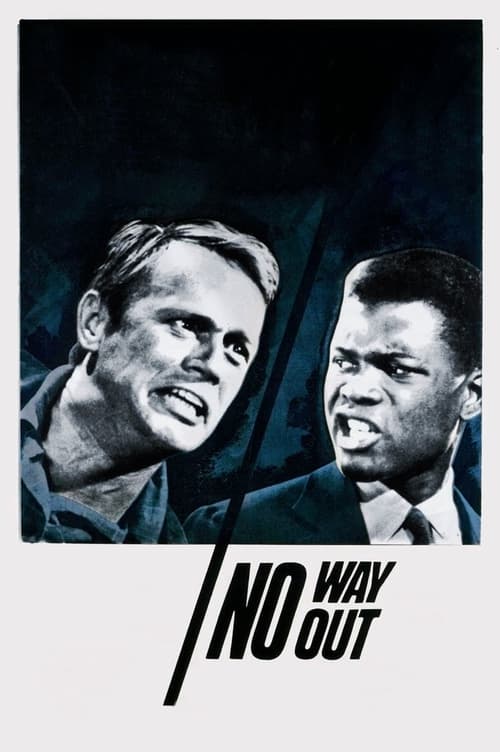
1950
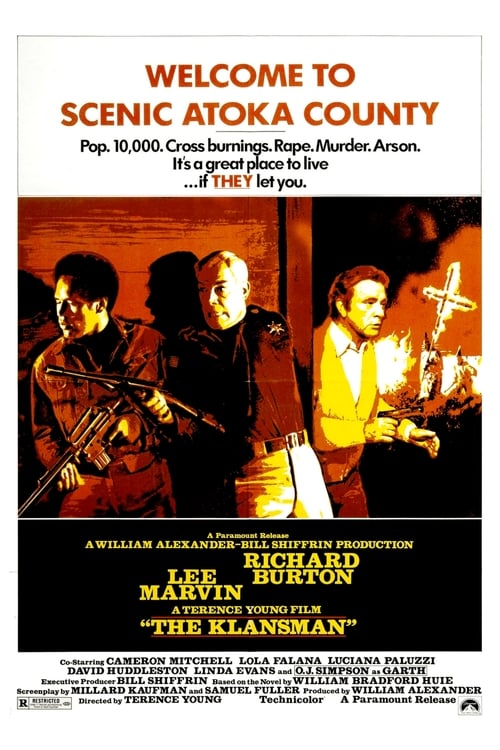
1974
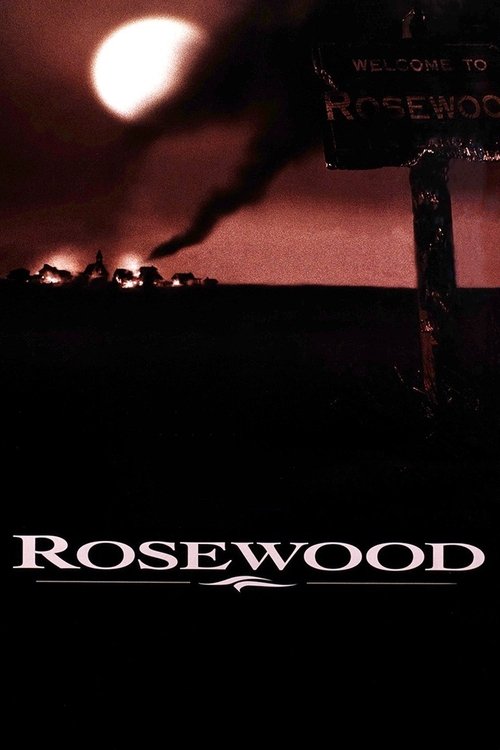
1997
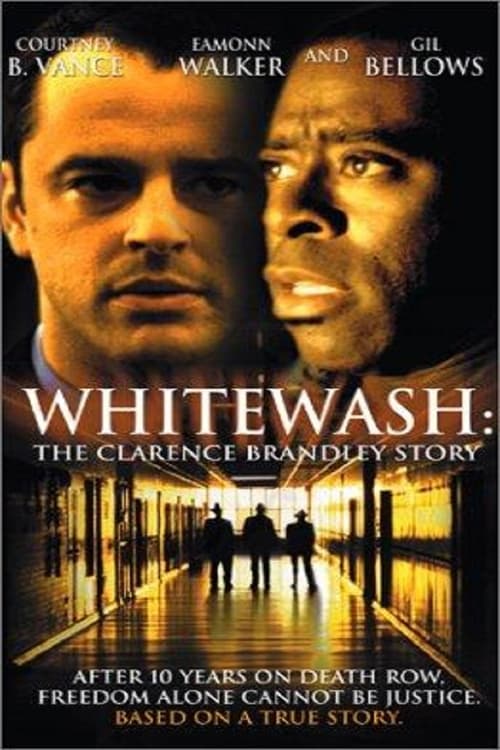
2002

1989

1987

1989
No reviews yet. Be the first to share your thoughts on this movie!
Use the rating form above to leave a star rating and optional review.