Spider-Man 3
2007
No user ratings available yet
Representation score: 4.7 out of 10
Representation Score
Fair
2002
PG-13Director
Sam Raimi
Runtime
121 minutes
Average Rating
No ratings yetNew Showbiz Analysis
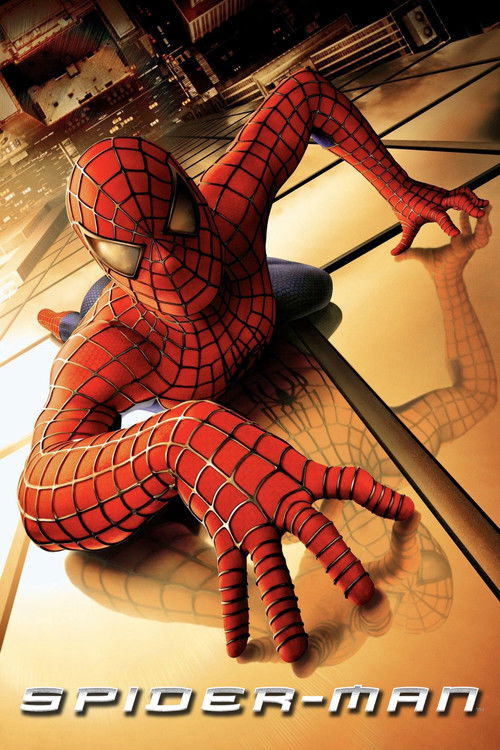
Spider-Man (2002) frames personal responsibility as the antidote to corporate greed and social neglect. Peter Parker’s journey is driven by the loss of his uncle, which transforms his insecurity into a moral imperative. The film treats traditional family values, specifically the bond between Peter and Aunt May, as the stable foundation against which the chaos of his new powers is measured. The narrative positions corporate ambition as the root of evil, with Norman Osborn’s breakdown serving as a warning against unchecked power. While the hero is male and the romantic interest is female, the film does not mock either gender; instead, it balances Peter’s physical competence with May’s domestic wisdom. The closing image of Peter and Mary Jane together reinforces the idea that personal connection and ethical duty are the ultimate rewards for sacrifice.
Category Breakdown
The social world is strictly heterosexual. Peter’s crush on Mary Jane and the high school hierarchy define all interpersonal dynamics. No same-sex couples or non-binary characters appear.
Peter Parker is the physical hero, but his arc relies on male incompetence and failure to learn responsibility. Mary Jane Watson serves as the emotional anchor and rescue target, while Aunt May provides domestic stability without professional agency.
The cast is predominantly white, reflecting the 2002 setting and source material. No non-white characters hold significant narrative weight or offer distinct cultural perspectives; diversity is absent from the central conflict.
The film treats corporate greed and unchecked ambition as the primary moral dangers. Uncle Ben’s death frames personal responsibility as the cure for societal neglect, while the police and media function as reactive, flawed institutions.
No characters with lasting physical or cognitive impairments are depicted. Norman Osborn’s chemical-induced insanity is treated as a temporary villainous state rather than a chronic condition or identity.
Present on Screen
Limited or Absent
Official Synopsis
After being bitten by a genetically altered spider at Oscorp, nerdy but endearing high school student Peter Parker is endowed with amazing powers to become the superhero known as Spider-Man.
2007
1977

2004
2007

2012
2006
2003
1984
No reviews yet. Be the first to share your thoughts on this movie!
Use the rating form above to leave a star rating and optional review.