Spider-Man 3
2007
No user ratings available yet
Representation score: 4.7 out of 10
Representation Score
Fair
2004
PG-13Director
Sam Raimi
Runtime
127 minutes
Average Rating
No ratings yetNew Showbiz Analysis
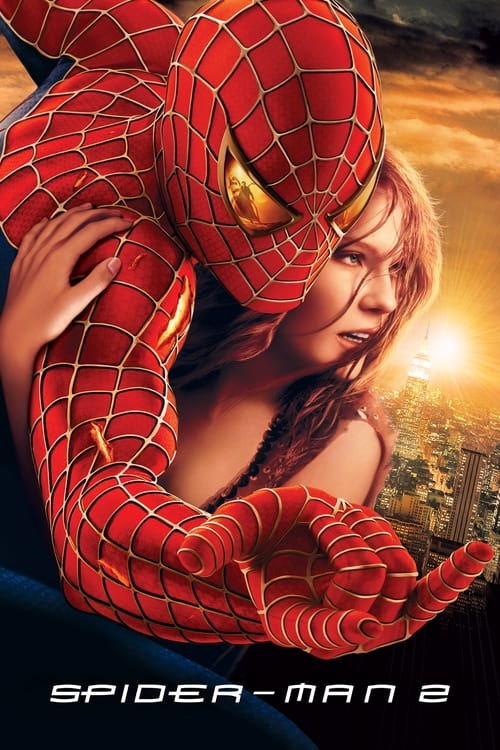
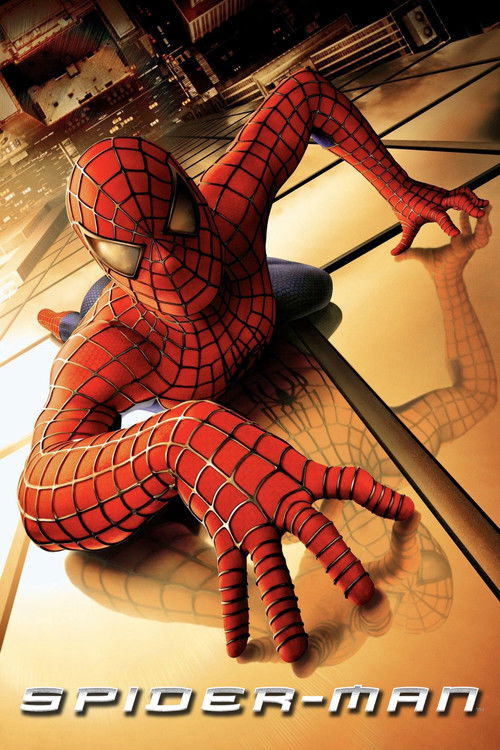
Spider-Man 2 is a character-driven epic that prioritizes individual moral responsibility over systemic critique. It succeeds in providing psychological depth to its hero and offers minor subversions of gendered passivity through Mary Jane's career. However, the film remains anchored in traditional frameworks. The narrative lacks queer representation and fails to actively engage with racial or multi-layered identities, focusing instead on a homogeneous core cast. While the portrayal of Doc Ock offers a complex study of physical transformation, it uses disability primarily as a catalyst for conflict rather than a nuanced exploration of neurodivergence or lived experience.
Category Breakdown
The film centers on a romance between Peter Parker and Mary Jane Watson, with no queer narratives present. It operates within a framework that assumes everyone is straight.
Mary Jane Watson displays professional ability to act through her acting career, allowing the film to pass the Bechdel test. However, the story still leans on traditional romantic clichés and damsel-in-distress clichés.
Set in a diverse New York City, the primary cast remains largely homogeneous. The narrative focuses on individual struggles without engaging with multi-layered identity or systemic racial dynamics.
The film explores socioeconomic hardship through Peter’s struggle with poverty and rent. It emphasizes traditional values, such as personal responsibility and the sanctity of the family unit.
Otto Octavius’s mechanical integration serves as a metaphor for lost autonomy. However, his condition is framed as a tragic descent into villainy rather than a nuanced exploration of lived disability experience.
Present on Screen
Limited or Absent
Official Synopsis
Peter Parker is going through a major identity crisis. Burned out from being Spider-Man, he decides to shelve his superhero alter ego, which leaves the city suffering in the wake of carnage left by the evil Doc Ock. In the meantime, Parker still can't act on his feelings for Mary Jane Watson, a girl he's loved since childhood. A certain anger begins to brew in his best friend Harry Osborn as well...
2007
2003
2014
2006

2012
2007
2002
2009
No reviews yet. Be the first to share your thoughts on this movie!
Use the rating form above to leave a star rating and optional review.