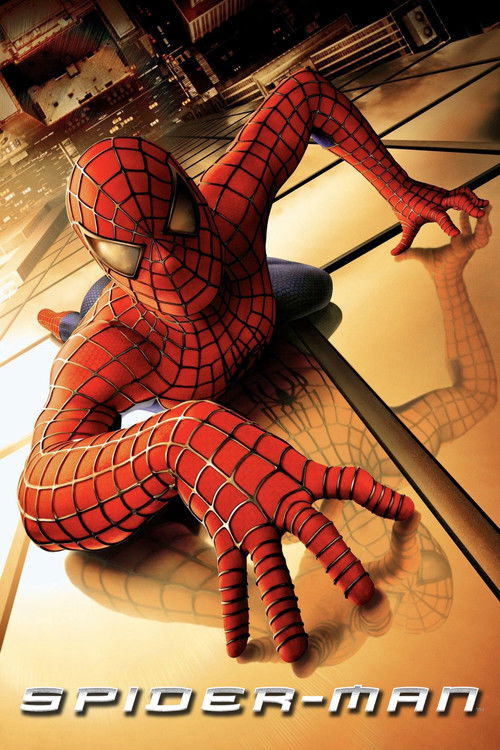
Spider-Man
2002
No user ratings available yet
Representation score: 4.0 out of 10
Representation Score
Fair
2003
PG-13Director
Mark Steven Johnson
Runtime
103 minutes
Average Rating
No ratings yetNew Showbiz Analysis
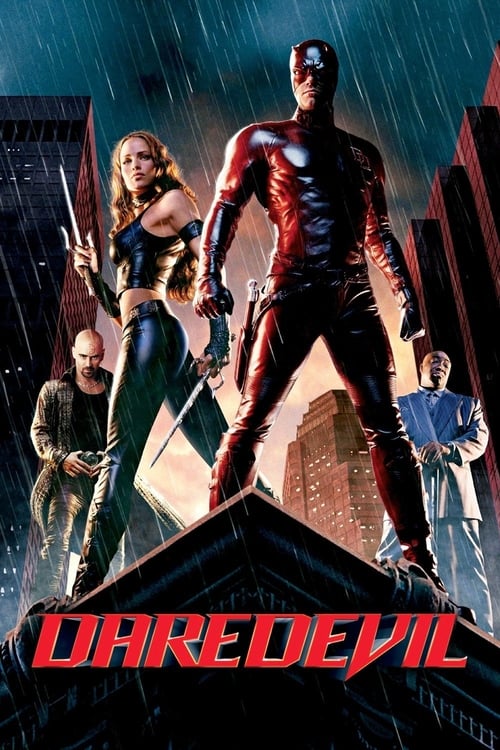
Daredevil excels in its portrayal of disability, integrating Matt Murdock's blindness into his superhuman abilities without pity. This approach gives the protagonist a unique sensory experience and significant role in the story. The film also offers a strong female presence through Elektra, who acts as a capable combatant with substantial influence over the narrative. This subverts some traditional gender clichés within the superhero genre. However, the film struggles with multi-layered depth. The central conflict remains largely homogeneous, and the lack of LGBTQ+ representation or significant racial diversity keeps the narrative within traditional studio frameworks.
Category Breakdown
The film lacks visible LGBTQ+ characters or explores non-straight relationships. The romantic plot focuses solely on a traditional heterosexual relationship between the protagonist and Elektra.
Elektra stands out as a highly skilled, lethal combatant with significant influence over the story. However, the narrative relies on traditional romantic tension and does not fully break down masculine leadership roles.
While the urban setting of Hell's Kitchen is diverse, the main storyline and power struggles center around a predominantly white cast. The narrative adheres to traditional casting norms.
The film critiques traditional institutions by showing New York's legal and civic structures as fundamentally flawed. It portrays justice as a subjective pursuit through a vigilante operating outside the law.
Matt Murdock's blindness is treated as a catalyst for superhuman sensory evolution rather than a source of pity. This provides a nuanced portrayal of sensory-based lived experiences and ability to act.
Present on Screen
Limited or Absent
Official Synopsis
By day, blind attorney Matt Murdock toils for justice in Hell's Kitchen. By night, he's Daredevil, The Man Without Fear - a powerful, masked vigilante stalking the dark streets with an uncanny "radar sense" that allows him to "see" with superhuman capabilities. But when the love of his life, fiery Elektra Natchios, is targeted by New York City's ruthless Kingpin of crime and his deadly assassin Bullseye, Daredevil may be about to meet his match.
2002
1996
2022

1989
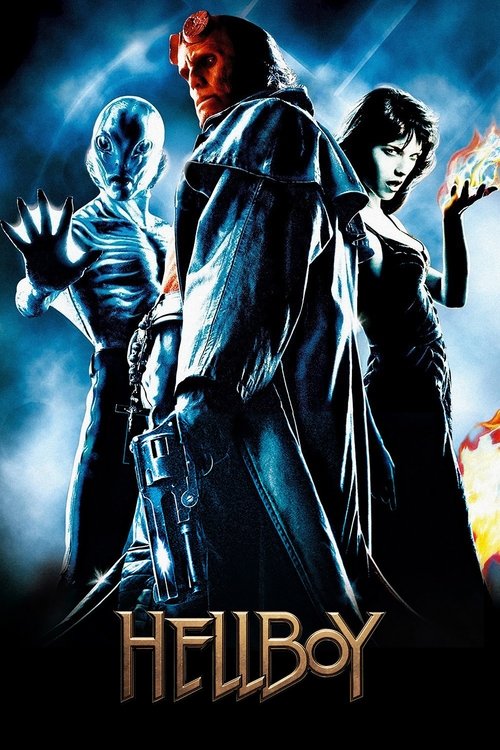
2004
2007
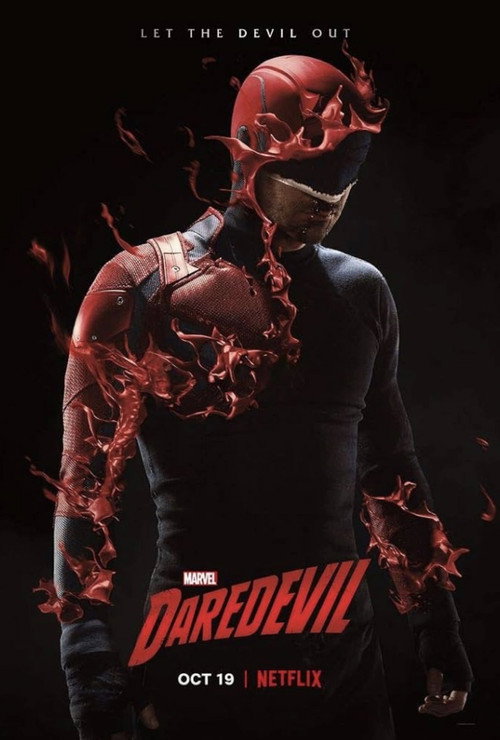
2015
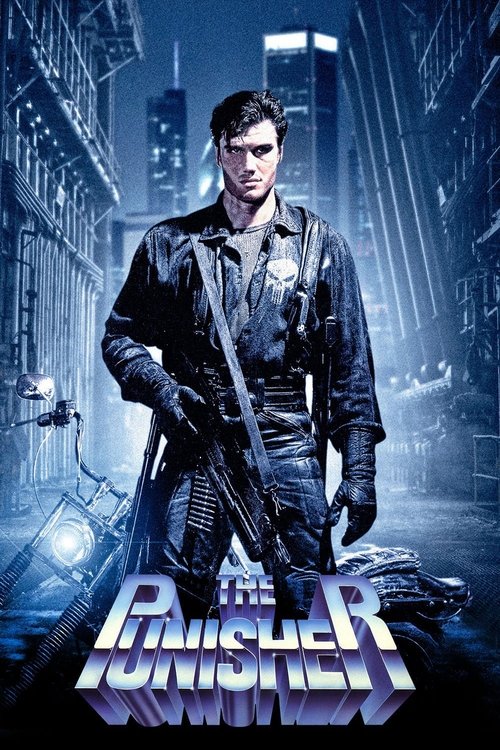
1989
No reviews yet. Be the first to share your thoughts on this movie!
Use the rating form above to leave a star rating and optional review.