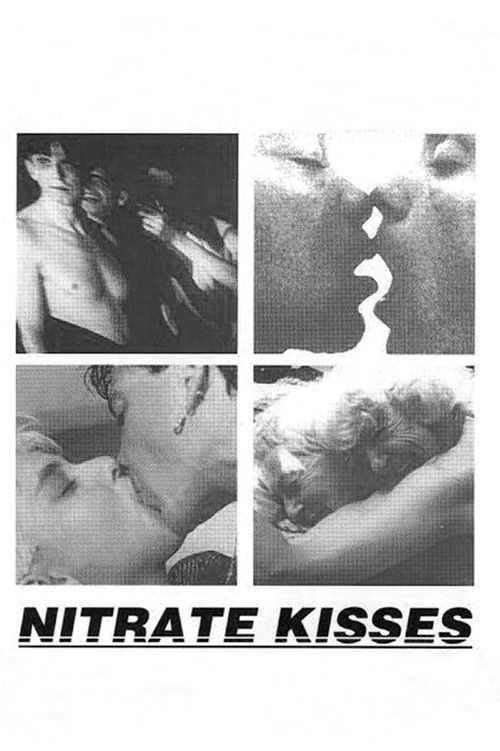
Nitrate Kisses
1992
No user ratings available yet
Representation score: 5.0 out of 10
Representation Score
Good
1995
Director
Barbara Hammer
Runtime
58 minutes
Average Rating
No ratings yetNew Showbiz Analysis
Barbara Hammer’s documentary is a sophisticated piece of autobiographical media that prioritizes personal experience over objective history. It effectively uses personal memory to challenge the dominant voices in cinema. The film excels in its focus on queer identity and its critique of gendered archetypes. However, while it touches on global settings like Morocco, its primary narrative lens remains focused on the filmmaker's personal development within Western frameworks, limiting its broader impact on racial and ethnic representation.
Category Breakdown
The film focuses on the filmmaker's journey as a lesbian artist, sharing intimate stories without being voyeuristic.
Hammer challenges traditional gender roles by examining the pressures placed on women to conform to domestic or aesthetic standards, such as the Barbie doll.
While Morocco is mentioned, the film's engagement with racial diversity seems more performative than deeply integrated into the narrative.
The work questions traditional social structures and institutional dogma by prioritizing personal truth and using irony to critique authority.
There is insufficient evidence to provide a definitive score regarding specific physical or sensory disabilities.
Present on Screen
Limited or Absent
Official Synopsis
Childhood stories of the artist as a young lesbian and intimate tales of the lesbian as a young artist underscore the filmmaker's life of performances. With a Swiss army knife she robs an American Express Bank in Morocco, accosts a shepherd in a field on International Women's Day, and tap dances on Shirley Temple's star on Hollywood Boulevard. This child movie star was the ideal by which Hammer's ambitious mother measured her own Barbie. Grandma, already a cook for Lillian Gish in Hollywood, introduced the cute, loquacious child and her mother to D.W. Griffith. Lesbian autobiography is a slender genre, so Hammer draws from general culture studies for critique and to provide an ironic edge to the synthesized "voices of authority".
1992
2008
1998
2019

1996

1997
2000
2012
No reviews yet. Be the first to share your thoughts on this movie!
Use the rating form above to leave a star rating and optional review.