A Very Special Favor
1965
No user ratings available yet
Representation score: 0.8 out of 10
Representation Score
Minimal
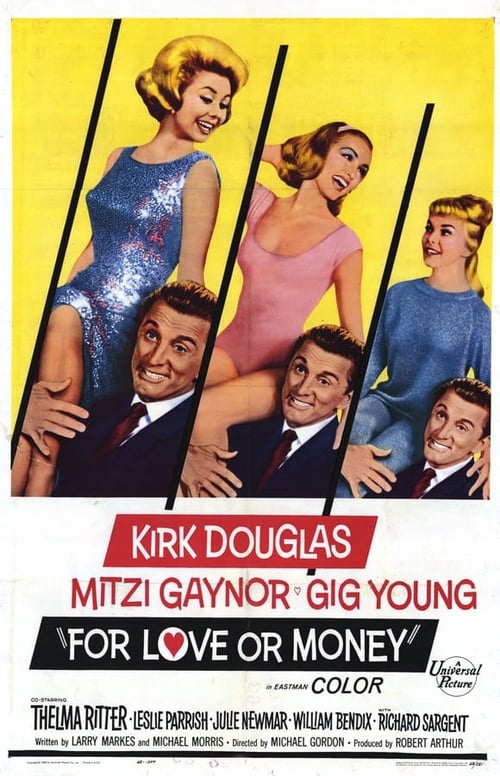
1963
PassedDirector
Michael Gordon
Runtime
108 minutes
Average Rating
No ratings yetNew Showbiz Analysis
For Love or Money is a mid-century romantic comedy that explores the tension between personal freedom and the transactional nature of class-based social structures. While it operates within the traditional Hollywood studio system, it subtly challenges gendered economic dependencies. However, the film is constrained by its historical context. It lacks diverse representation, featuring a largely homogeneous cast and adhering to the strict norms of 1963 cinema. Ultimately, the film's impact is limited to its examination of socioeconomic status and the moral choices of its characters within a capitalist framework.
Category Breakdown
The film follows the social norms of the early 1960s and does not include any LGBTQ+ narratives or non-cisgender identities.
Female characters have moderate ability to act, dealing with economic pressures and career goals. The story looks at women balancing personal integrity with financial security in a male-dominated world.
The film reflects the demographics of the time, with a mostly white cast focused on class hierarchies rather than racial or ethnic diversity.
The story critiques the materialism and transactional nature of high society. However, it does not offer a broader critique of Western institutions, sticking to typical romantic comedy themes.
There are no visible or invisible disabilities shown in the main story or character development.
Present on Screen
Limited or Absent
Official Synopsis
Wealthy Chloe Brasher has three beautiful daughters; Bonnie, Kate, and Jan. Chloe pays attorney Deke Gentry to fix them up with three suitable husbands.
1965

1938

1947
1964
1963
1953

1963
1963
No reviews yet. Be the first to share your thoughts on this movie!
Use the rating form above to leave a star rating and optional review.