Mário
2000
No user ratings available yet
Representation score: 3.5 out of 10
Representation Score
Fair
2005
16Director
Rodrigo Gonçalves
Average Rating
No ratings yetNew Showbiz Analysis
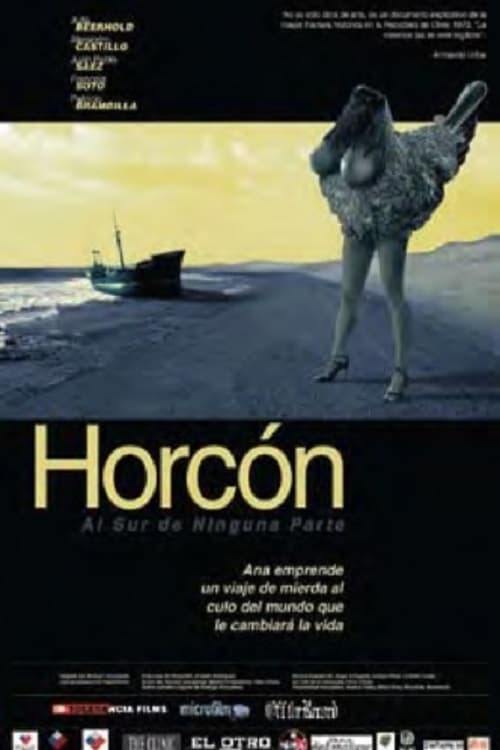
Horcón, al sur de ninguna parte offers a perspective rooted in the Chilean independent cinema circuit. Its primary strength lies in its regional identity, which naturally disrupts the dominance of North American narrative structures by centering South American social realities. However, the film lacks specific, verifiable details regarding multi-layered identities. Without clear evidence of character arcs or specific identity-based ability to act, the narrative's progressive intent remains difficult to define. Ultimately, the film serves as a moderate example of diversity through its non-Western origin, even if specific representation in gender or LGBTQ+ categories remains unconfirmed.
Category Breakdown
The film does not include any explicit LGBTQ+ narratives or derogatory clichés related to queer identities.
Julia Beerhold plays a leading role, providing female presence. However, it is unclear whether the story challenges traditional gender hierarchies or instead reinforces domestic archetypes.
As a Chilean production, the film focuses on regional ethnic identities and South American social structures, operating outside Western norms.
The film offers a regional perspective that may critique centralized power structures. Specific details about the portrayal of religion or capitalism are not available.
There is no information available regarding the depiction of neurodivergence or physical disabilities within the film.
Present on Screen
Limited or Absent
2000

2005
2003
1963
2007
2023
2006
2017
No reviews yet. Be the first to share your thoughts on this movie!
Use the rating form above to leave a star rating and optional review.