
20th Century Boys 2: The Last Hope
2009
No user ratings available yet
Representation score: 6.6 out of 10
Representation Score
Fair
2008
Director
Yukihiko Tsutsumi
Runtime
142 minutes
Average Rating
No ratings yetNew Showbiz Analysis
The film prioritizes thematic complexity and structural depth over demographic variety. While it lacks representation for LGBTQ+ individuals, diverse ethnicities, or characters with disabilities, it excels in its intellectual engagement with social structures. The narrative uses a cult-driven conflict to challenge the stability of established institutions and the perception of historical truth. This provides a sophisticated cultural critique that compensates for the lack of broad identity-based representation. Ultimately, the work functions as a culturally specific exploration of power and innocence, favoring psychological and systemic depth over a broad spectrum of identity-based representation.
Category Breakdown
The film does not explicitly include LGBTQ+ identities or non-traditional gender expressions. Character interactions follow conventional social structures without visible queer influence or non-straight romantic themes.
The story focuses mainly on male characters, driven by their childhood and adult experiences. Female characters play supporting roles within the ensemble but are limited to backing the central male-driven mystery.
As a Japanese production, the cast and setting are predominantly homogeneous. The film reflects the demographic reality of its setting, emphasizing cultural specificity.
The film offers a sophisticated critique of social institutions through the rise of a cult. It explores how mass media and pop culture can be used to challenge governmental authority.
There is no prominent or centralized portrayal of physical or neurodivergent disabilities. Characters are defined by social roles and the central mystery rather than disability-related ability to act.
Present on Screen
Limited or Absent
Official Synopsis
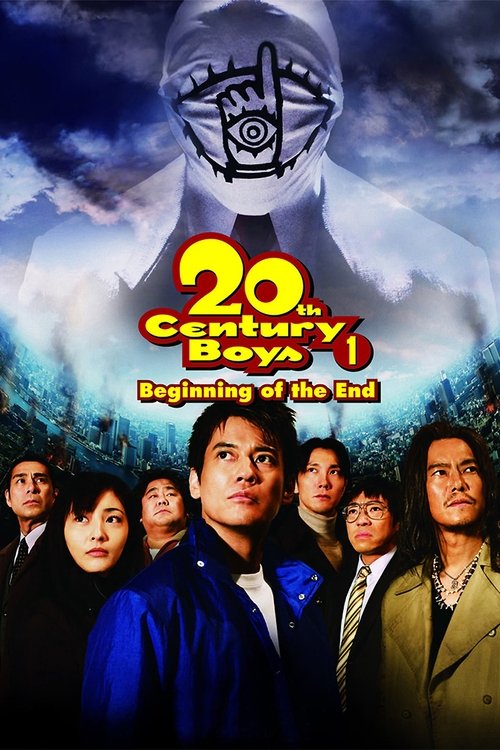
In 1969, Kenji, an elementary school kid and his friends built a secret base during their summer holidays. They fantasized that they had to fight villains who were out to conquer the world and wrote them in the Book of Prophecies. Years later in 1997, Kenji becomes a convenience store manager and leads a regular life after giving up his dreams to become a rock star. His boring life is suddenly turned upside down when his old classmate dies mysteriously and an entire family in the neighbourhood disappears. At the same time, a religious cult and its mysterious leader, Friend emerges and a strange chain of events duplicating exactly the events described in the Book of Prophecies follow. Is this the beginning of the end of the world? Who is Friend?
2009

2010

2009

2016
2009

2017
2000
No reviews yet. Be the first to share your thoughts on this movie!
Use the rating form above to leave a star rating and optional review.