Cross-Roads
1955
No user ratings available yet
Representation score: 3.5 out of 10
Representation Score
Limited
1931
NRDirector
George B. Seitz
Runtime
65 minutes
Average Rating
No ratings yetNew Showbiz Analysis
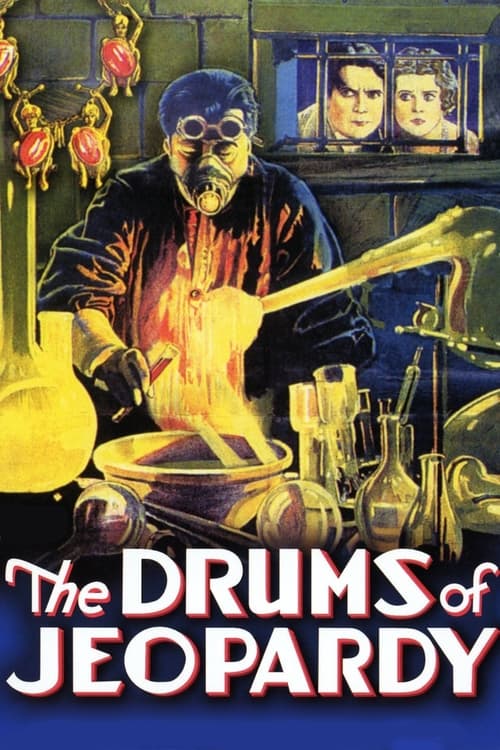
The Drums of Jeopardy adheres to the conventions of early 1930s horror and drama, focusing on a revenge-driven plot. The narrative is centered around a singular male protagonist, limiting opportunities for diverse perspectives. Representation is minimal, and the film relies on traditional hierarchies and clichés, such as the 'mad doctor' cliché, which often uses neurodivergence as a plot device rather than a nuanced character trait.
Category Breakdown
The film does not include any characters with non-binary or transgender identities. It focuses on a doctor and his family, highlighting traditional interpersonal conflicts.
The male protagonist, a doctor seeking vengeance, holds most of the narrative ability to act. Although a daughter's death sets off the plot, the film seems to reinforce traditional gender roles of the 1930s.
There is no indication of diverse casting or characters representing different ethnicities. The film likely features a cast reflecting the homogeneity typical of early horror and drama genres.
The story revolves around personal morality and retribution, operating within the moralistic frameworks common in early 20th-century cinema without exploring secular or anti-Western themes.
The 'mad doctor' cliché uses mental instability as a tool for horror. These portrayals often lack nuance, using perceived cognitive differences primarily to establish fear.
Present on Screen
Limited or Absent
Official Synopsis
A mad doctor is determined to take revenge on the family he believes is responsible for his daughter's death.
1955

1926
1917
1971
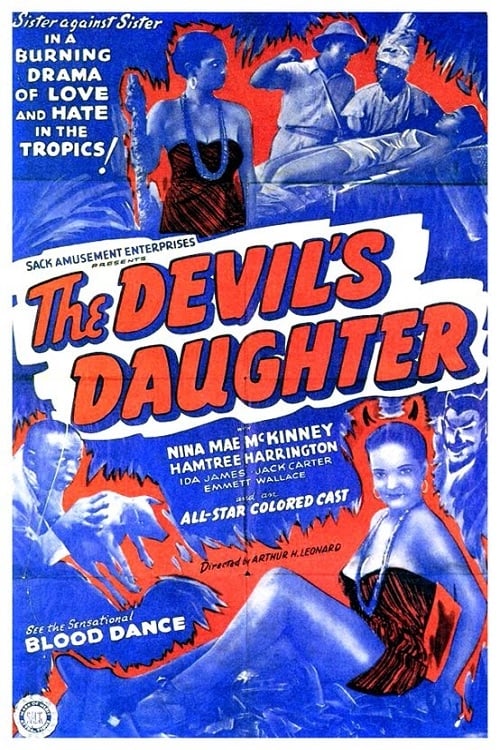
1939
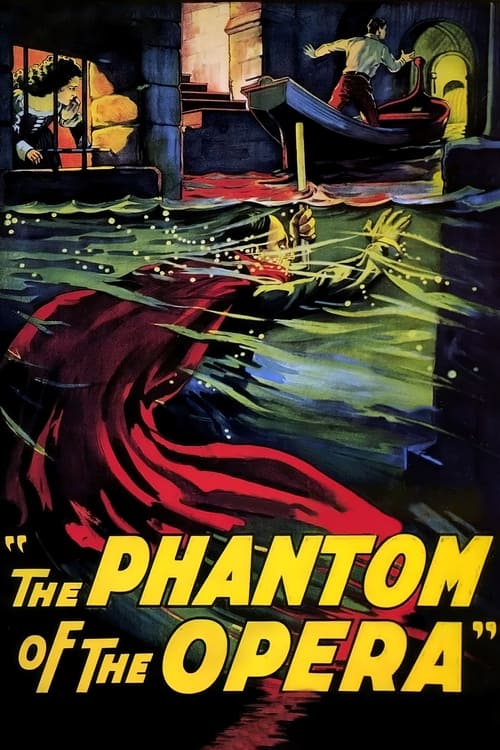
1925
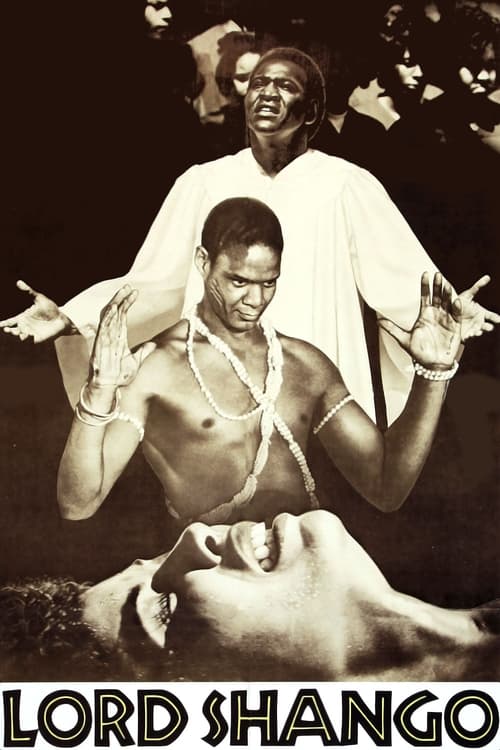
1975
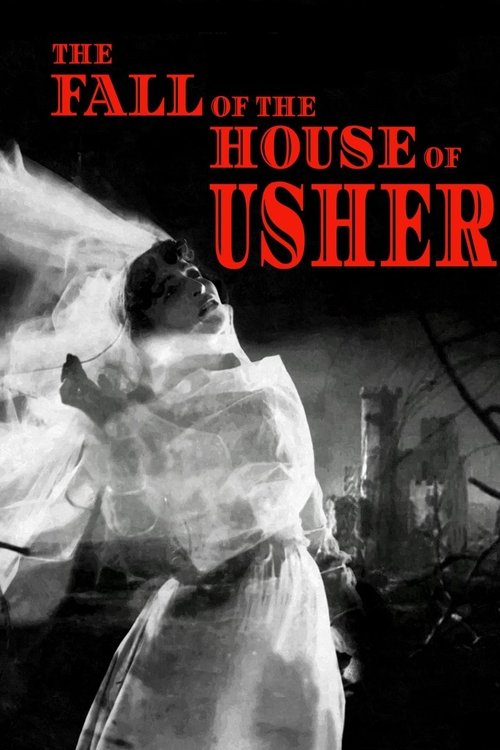
1928
No reviews yet. Be the first to share your thoughts on this movie!
Use the rating form above to leave a star rating and optional review.