Battle Cry
1975
No user ratings available yet
Representation score: 2.5 out of 10
Representation Score
Fair
1968
Director
Kihachi Okamoto
Runtime
116 minutes
Average Rating
No ratings yetNew Showbiz Analysis
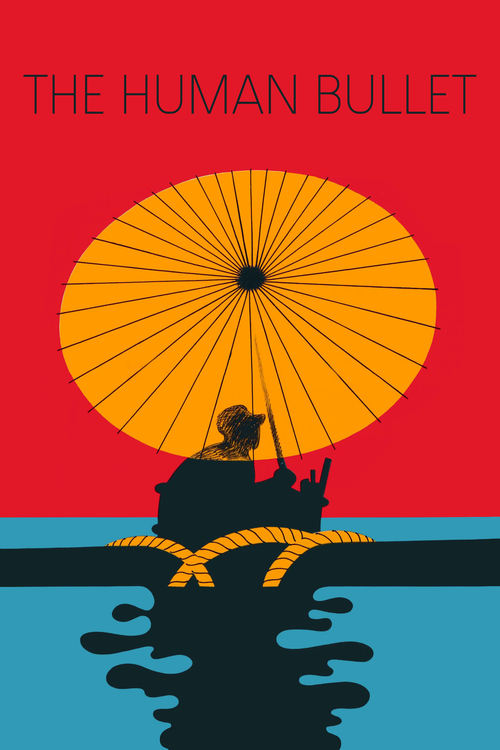
The Human Bullet is a specialized work that prioritizes thematic subversion over demographic diversity. While it lacks representation in terms of gender, race, and LGBTQ+ identities, it excels in its cultural critique of institutional power. By using dark comedy, the film challenges traditional nationalist myths and frames suicide missions as absurd and futile. Ultimately, the film's strength lies in its anti-authoritarian lens, even though it remains a narrow, male-dominated historical study.
Category Breakdown
The film focuses solely on the male soldiers of the Imperial Japanese military and does not include any queer subtext or non-cisgender identities.
The movie centers around male characters and lacks female characters to offer a counter-narrative or challenge existing gender hierarchies.
The cast is ethnically uniform, reflecting the historical context of the Japanese infantry. This perspective avoids whitewashing but does not blend different ethnicities.
The film provides a critical look at state authority and military hierarchy during wartime. It challenges wartime propaganda by depicting suicide missions as absurd and futile.
The film explores psychological breakdown and combat stress as consequences of systemic trauma. However, it does not specifically address neurodivergent identities.
Present on Screen
Limited or Absent
Official Synopsis
A soldier has been in the Japanese military for the entirety of WWII, and in that time, his dedication to the army has never faltered. However, as the war draws to a close, his commanding officers become increasingly desperate and push their men to ever more absurd extremes. The ridiculousness of the orders from above peak when the hero of the story is assigned to drive a one-man submarine straight into the hull of an enemy battleship.
1975

1975
1965
1959
1969
1970
1943
1962
No reviews yet. Be the first to share your thoughts on this movie!
Use the rating form above to leave a star rating and optional review.