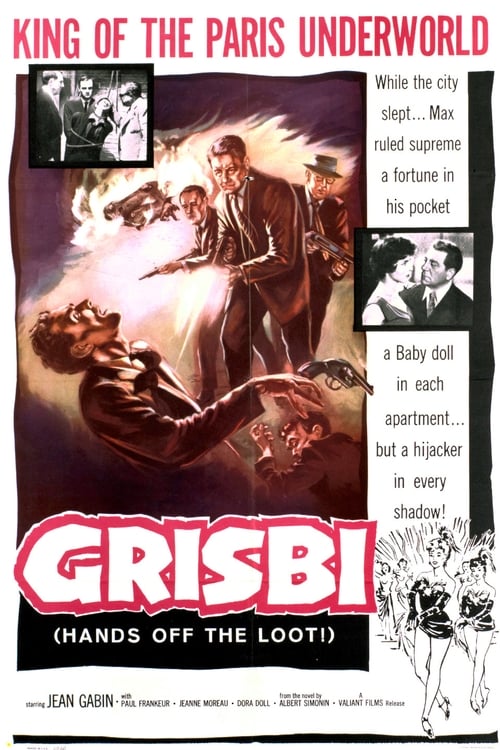
Touchez Pas au Grisbi
1954
No user ratings available yet
Diversity score: 1.9 out of 10

1991
Director
Enrique Urbizu
Runtime
88 minutes
Average Rating
No ratings yetSynopsis
After a robbery at a bingo hall, Azucena, the girlfriend of one of the thieves, decides to seize the money for herself. On the run she stumbles upon Verónica, the manager of a nursing home that wants a cut in exchange of helping her to evade the criminals and the cops.
Overall Score
Limited
Category Breakdown
LGBTQ+ Representation
The film relies on traditional heteronormative dynamics. The central plot is driven by the relationship between Azucena and her criminal partner, with no queer narratives present.
Gender Representation
While the criminal hierarchy is male-dominated, Azucena disrupts the passive female trope. She exerts significant agency by seizing the stolen funds for herself, challenging the patriarchal structure.
Racial & Ethnic Diversity
The cast is predominantly homogeneous, reflecting a specific provincial Spanish setting. The film lacks diverse ethnic casting in favor of a hyper-local, localized socioeconomic reality.
Religious & Cultural Diversity
The narrative critiques social stability through themes of greed and corruption. It portrays a world where traditional morality is secondary to survival and material gain.
Disability Representation
The film lacks characters with visible or invisible disabilities. The focus remains on the kinetic elements of the crime thriller rather than exploring neurodivergence or physical disability.
Strengths
Areas for Improvement
AI Analysis
Enrique Urbizu’s neo-noir is a genre-driven study of fatalism and greed. It prioritizes stylistic tension and the breakdown of social order over intersectional advocacy or demographic breadth. The film's primary achievement is its subversion of gendered agency. Azucena's decision to prioritize her own wealth over her partner's commands provides a nuanced departure from typical female roles in crime cinema. However, the work remains limited by its narrow social landscape. It lacks racial diversity and queer representation, functioning as a localized, homogeneous portrait of provincial Spain.
1954
1972

1998
1972

1974

1970
1981

1997
1964
1976

1974

1993
No reviews yet. Be the first to share your thoughts on this movie!
Use the rating form above to leave a star rating and optional review.