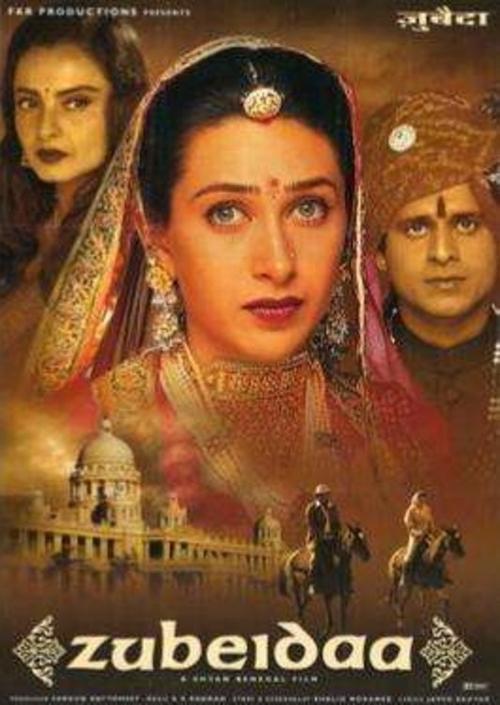
Zubeidaa
2001
No user ratings available yet
Representation score: 5.9 out of 10
Representation Score
Fair
2015
PG-13Director
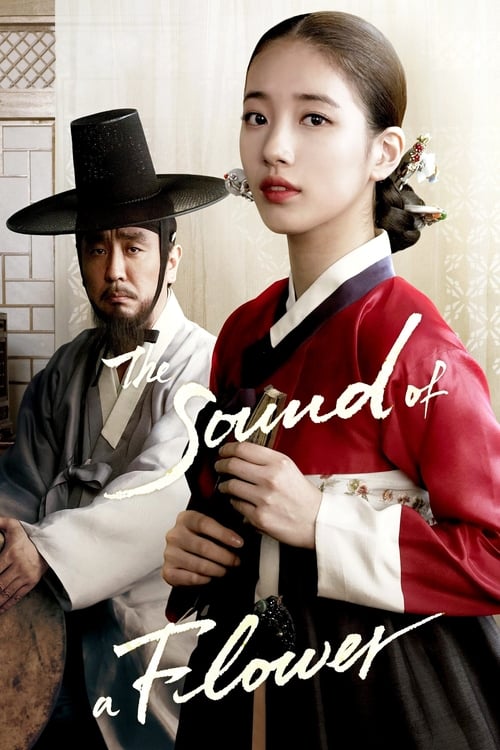
Lee Jong-pil
Runtime
109 minutes
Average Rating
No ratings yetNew Showbiz Analysis
The film excels as a character study of an individual fighting against systemic restrictions. By focusing on a lowborn woman challenging gendered prohibitions, it offers a powerful critique of historical social hierarchies. However, the narrative remains limited by its lack of explicit LGBTQ+ identifiers and ethnic diversity. While the emotional complexity is present, the film stays within the cultural boundaries of a historical drama. Ultimately, the work finds its strength in the empowerment of a underrepresented protagonist seeking intellectual and artistic freedom.
Category Breakdown
The story focuses on romantic and platonic tensions between a female lead and her male mentor. It explores deep emotional connections but does not explicitly depict non-straight relationships or queer romance.
Chae-sun challenges patriarchal structures by defying Joseon-era prohibitions against female singers. Her pursuit of artistic freedom subverts traditional expectations of passive women.
The casting reflects the historical accuracy of the Joseon Dynasty setting, with an ethnically homogeneous cast. The narrative does not use diverse casting to challenge the status quo.
The film examines systemic oppression through rigid class structures and gendered restrictions. It highlights a protagonist navigating a restrictive social order to reclaim her voice.
There is no discernible evidence regarding the portrayal of physical or neurodivergent disabilities within the film.
Present on Screen
Limited or Absent
Official Synopsis
During the Joseon Dynasty, lowborn Chae-sun challenges the rule that states only men allowed to sing while navigating devotion to her teacher and the demands of the king's father.
2001

2005

2008

2008

2015

2015

2014

2010
No reviews yet. Be the first to share your thoughts on this movie!
Use the rating form above to leave a star rating and optional review.