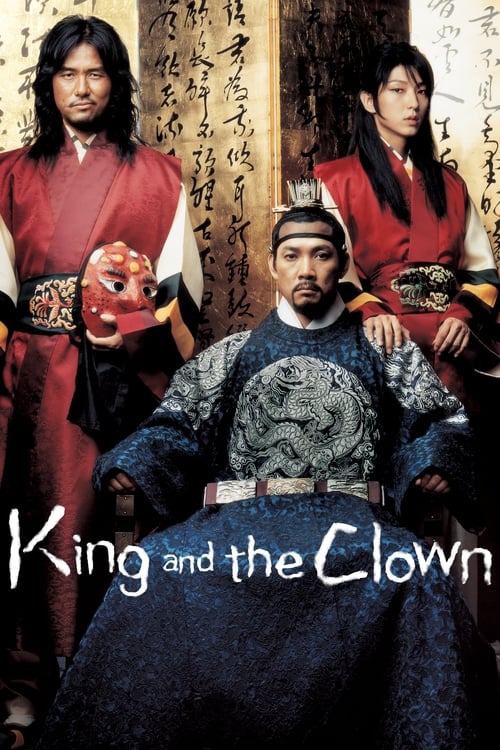
King and the Clown
2005
No user ratings available yet
Representation score: 6.5 out of 10
Representation Score
Good
2015
RDirector
Lee Soo-sung
Runtime
100 minutes
Average Rating
No ratings yetNew Showbiz Analysis
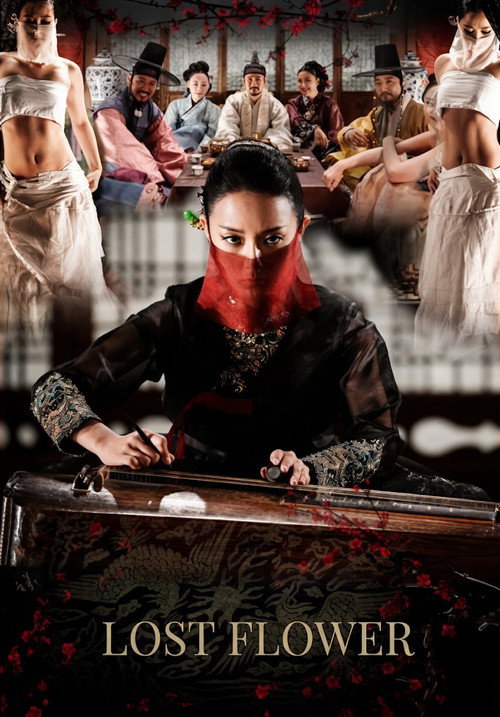
Lost Flower: Eo Woo-dong successfully challenges traditional gender roles by giving female characters substantial psychological depth. The film uses the Joseon Dynasty setting to critique current social issues rather than simply recreating the past. However, the film's impact is limited by its lack of LGBTQ+ representation and an ethnically homogeneous cast. These factors narrow the range of representation in the narrative. Overall, the film is a thoughtful exploration of gender dynamics that compensates for its limited demographic scope through rich character development.
Category Breakdown
The film does not prominently feature LGBTQ+ identities or non-traditional gender relationships. The main relationship follows traditional heterosexual norms.
The film emphasizes the female perspective, focusing on the internal emotional journeys of its characters. By highlighting the protagonist's complex desires, it challenges traditional views of women as passive.
Set during the Joseon Dynasty, the film's cast is ethnically uniform, consisting mainly of Korean actors. It does not use diverse casting to question historical norms.
Using its historical context, the film critiques modern Korean social hierarchies. It provides a nuanced look at traditional class structures and fixed social roles.
There are no significant depictions of physical or neurological disabilities in the main character arcs.
Present on Screen
Limited or Absent
Official Synopsis
A triangular relationship between Eo Woo-dong, her husband Lee Dong, and fantasy character Moo-gong, highlights on the first half of the Joseon Dynasty and portrays the contradicted life of the high class people, criticizing the modern day Korean society.
2005
2013
2014

2012
2015

2008

2015
2015
No reviews yet. Be the first to share your thoughts on this movie!
Use the rating form above to leave a star rating and optional review.