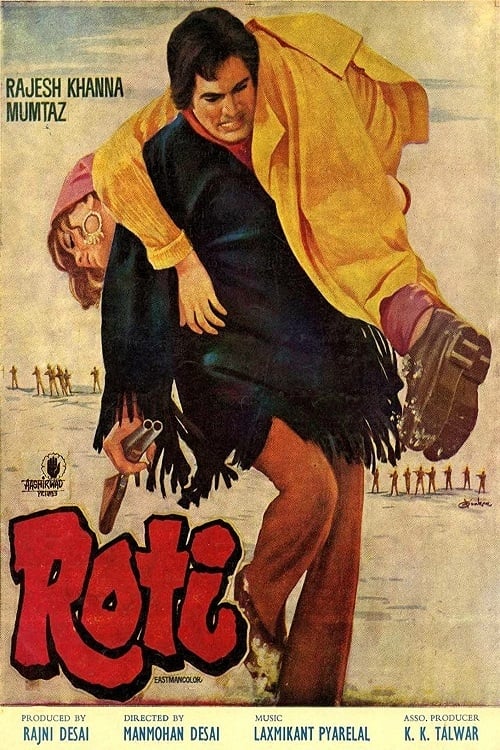
Roti
1974
No user ratings available yet
Representation score: 3.3 out of 10
Representation Score
Limited
1980
Director
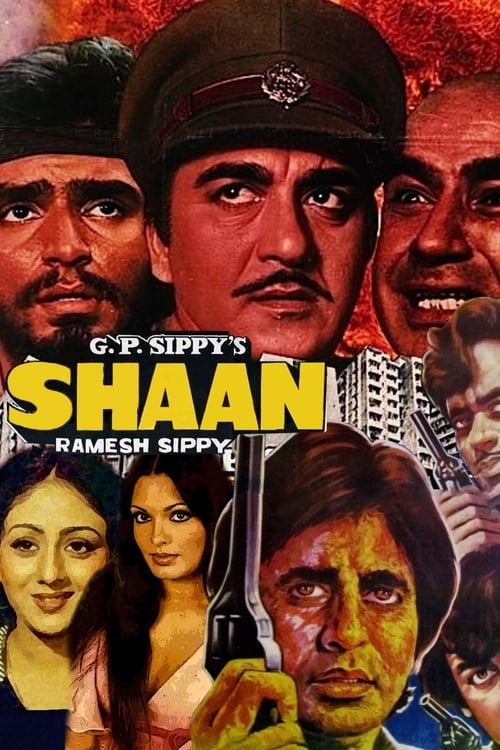
Ramesh Sippy
Runtime
181 minutes
Average Rating
No ratings yetNew Showbiz Analysis
Shaan is a landmark of South Asian commercial cinema that excels in regional authenticity. By centering the South Asian experience within its own cultural context, it avoids the pitfalls of Western-centric casting. However, the film remains deeply traditionalist. It reinforces conventional gender hierarchies and straight-centered structures, prioritizing a classical hero's journey over progressive social critique. The narrative relies on a binary of good versus evil, which limits its exploration of complex social or systemic issues.
Category Breakdown
The film operates within a strictly straight-centered framework. There are no non-binary gender identities or same-sex romantic arcs present in the narrative.
Gender roles follow 1980s clichés, with the female lead serving primarily as a romantic foil. Masculinity is defined by the dominant 'Angry Young Man' archetype within patriarchal hierarchies.
The film provides authentic South Asian representation, centering the Mumbai setting without Western-centric casting. It maintains cultural homogeneity rather than seeking multi-layered subversion.
The story is grounded in traditional Indian values like familial loyalty. It utilizes a binary moral framework that favors clear distinctions between virtue and criminality.
There is no significant focus on disability or neurodivergence. Characters are defined by physical prowess or criminal capacity rather than explorations of visible or invisible disabilities.
Present on Screen
Limited or Absent
Official Synopsis
DSP Shiv Kumar returns home to his wife Sheetal and their young daughter and announces that he has been transferred to Bombay. Shiv Kumar has two brothers, Vijay and Ravi, who live in Mumbai. They are intelligent and capable guys, but spend their time loafing about the city and swindling unsuspecting people.
1974
1975
1990

2011
1991
1985
1996
1988
No reviews yet. Be the first to share your thoughts on this movie!
Use the rating form above to leave a star rating and optional review.