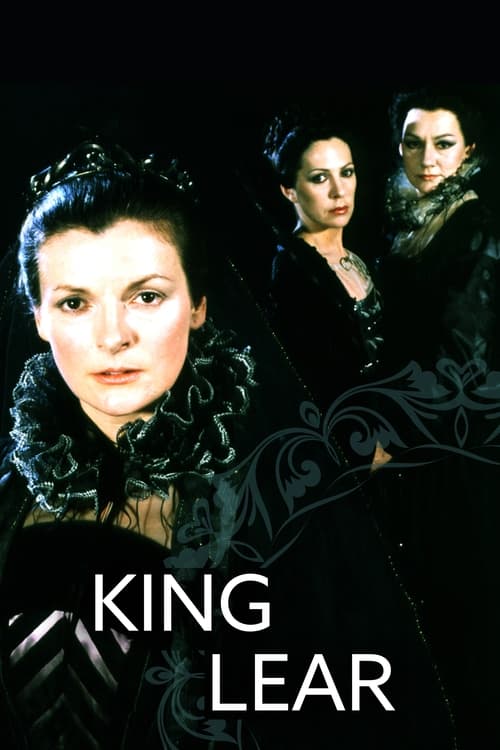
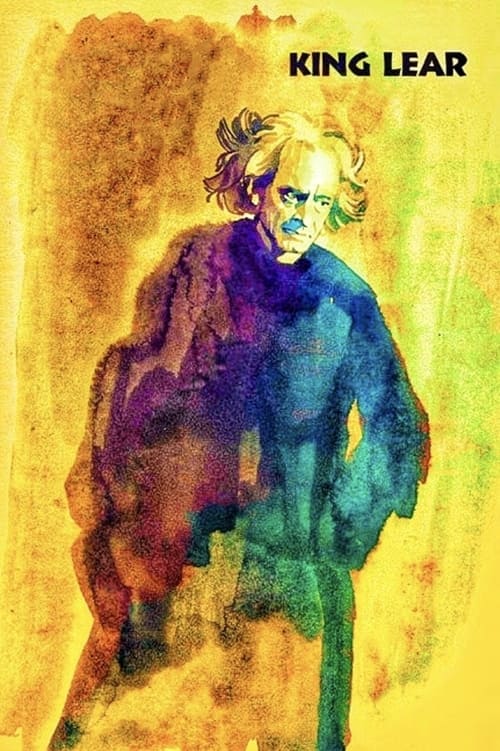
King Lear
1982
No user ratings available yet
Representation score: 6.0 out of 10
Representation Score
Minimal
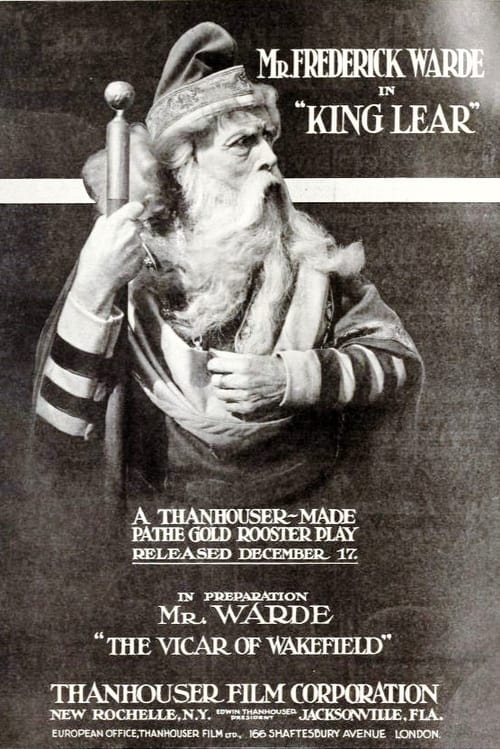
1916
Director
Ernest C. Warde
Runtime
63 minutes
Average Rating
No ratings yetNew Showbiz Analysis
This 1916 silent film adaptation of Shakespeare's tragedy operates within the rigid theatrical and social conventions of the early 20th century. It lacks the modern narrative tools to challenge systemic hierarchies or provide multi-layered representation. The film centers on classical themes of power, abdication, and familial duty. Women play central roles in the conflict, but their influence is framed through traditional moral archetypes. Overall, the work reflects the homogeneous and traditionalist standards of early cinema, prioritizing the moral consequences of individual character flaws over diverse storytelling.
Category Breakdown
The film follows traditional structures that assume everyone is straight or cisgender. There are no queer narratives or non-cisgender identities in this adaptation.
Female characters play a significant role in driving the plot, but their influence is framed through moral binaries of corruption or virtue.
The production reflects the homogeneous casting standards of 1916. It adheres to traditional Western racial norms without evidence of diverse casting.
The story focuses on the breakdown of a traditional monarchy. It treats power and familial duty as personal moral tragedies rather than institutional critiques.
There is no documented evidence of characters with visible or invisible disabilities in this production.
Present on Screen
Limited or Absent
Official Synopsis
An aging King invites disaster, when he abdicates to his corrupt, toadying daughters, and rejects his loving and honest one.
1982
1967
1983
1951
2008
1957
2018
1970
No reviews yet. Be the first to share your thoughts on this movie!
Use the rating form above to leave a star rating and optional review.